Braces vs. Clear Aligners: What Factors Should You Consider?
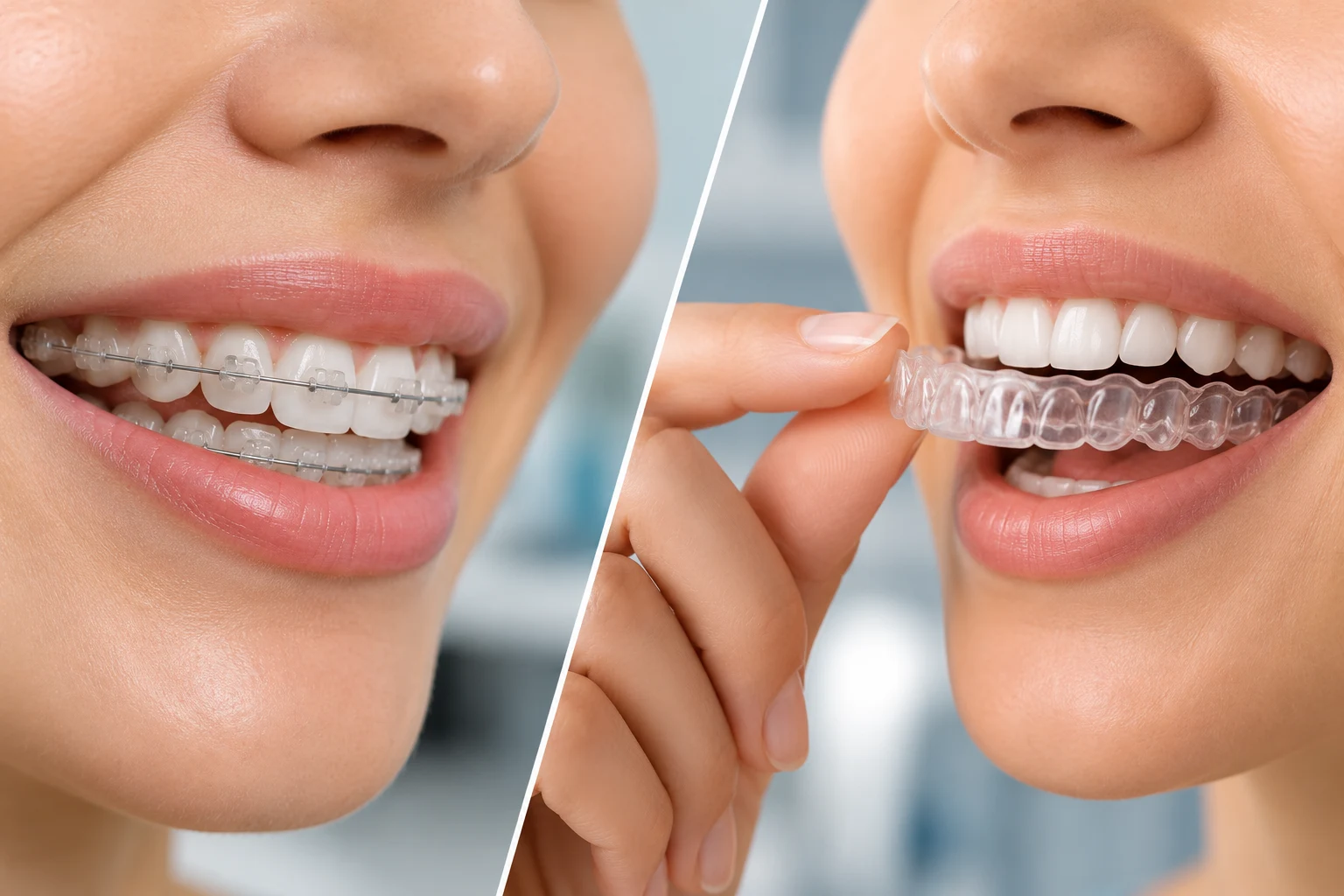
If you are considering orthodontic treatment, you may be wondering whether traditional braces or clear aligners are the right option for straightening your teeth. Both treatments can gradually move teeth into more desirable positions, improve certain bite concerns, and support a healthier, more functional smile.
However, braces and clear aligners work differently and may suit different patients. Factors such as the complexity of your orthodontic needs, appearance, lifestyle, treatment routine, and ability to follow instructions can all influence which option your dental professional may recommend.
Understanding the differences between braces vs. clear aligners can help you have a more informed discussion about your treatment options.
If you are considering orthodontic treatment, starting with a comprehensive dental examination can help your dental team understand your oral health and discuss appropriate treatment options.
What Are Traditional Braces?
Traditional braces use brackets that are attached to the teeth and connected with orthodontic wires. The wires apply controlled pressure to gradually move teeth into their planned positions.
Modern braces are available in different designs, although traditional metal braces remain a commonly used option for orthodontic treatment.
Braces may be recommended for patients who have:
- Crowded teeth
- Gaps between teeth
- Certain bite problems
- Teeth that are significantly rotated or displaced
- More complex orthodontic concerns
During treatment, your orthodontic provider will periodically adjust the braces to continue guiding your teeth.
What Are Clear Aligners?
Clear aligners are removable, transparent trays that are custom-made to fit over your teeth. Each set is designed to apply controlled pressure to specific teeth, gradually moving them according to the treatment plan.
Instead of brackets and wires, clear aligner treatment uses a series of trays that are changed according to your provider's instructions.
Clear aligners may be considered for patients with certain:
- Mild to moderate crowding
- Gaps between teeth
- Tooth alignment concerns
- Bite issues that can be treated with aligners
- Cosmetic orthodontic concerns
Not every orthodontic problem is suitable for clear aligners, so an examination is necessary before determining whether they are an appropriate option.
Braces vs. Clear Aligners: What's the Difference?
The main differences between braces and clear aligners involve how they are worn, how they look, and how they fit into your daily routine.
Traditional Braces
Braces are fixed to your teeth throughout treatment.
They:
- Remain attached to the teeth
- Use brackets and wires to move teeth
- Cannot be removed by the patient
- May be suitable for more complex tooth movements
- Require additional attention to oral hygiene around brackets and wires
Because braces remain in place, you do not have to remember to put them back in after eating or brushing.
Clear Aligners
Clear aligners are removable trays.
They:
- Are designed to fit closely over the teeth
- Can be removed for eating and drinking
- Can be removed for brushing and flossing
- Are less noticeable than traditional braces
- Require consistent wear according to your treatment plan
Because aligners are removable, patients need to be responsible about wearing them for the amount of time recommended by their dental professional.
How Does Appearance Affect Your Choice?
Appearance is one of the factors patients may consider when choosing orthodontic treatment.
Traditional braces are visible because brackets and wires are attached to the teeth. Some patients are comfortable with this appearance, while others prefer a less noticeable treatment option.
Clear aligners are made from transparent material and are designed to be less visible when worn. This can make them an appealing option for adults and teenagers who are concerned about the appearance of orthodontic appliances.
However, appearance should be considered alongside your orthodontic needs rather than being the only factor when choosing treatment.
Which Option Is More Convenient for Eating?
Braces and clear aligners have different requirements when it comes to eating.
With traditional braces, certain hard, sticky, or chewy foods may need to be avoided because they can damage brackets or wires. Patients also need to be more careful when cleaning around the appliances.
Clear aligners can be removed before eating, which means patients can generally eat without having the trays in place. However, the aligners should be removed according to the instructions provided by your dental professional, and teeth should be cleaned before putting the trays back in.
Your daily eating habits may therefore influence which treatment feels more manageable for you.
How Does Oral Hygiene Differ?
Maintaining good oral hygiene is important with both braces and clear aligners.
Oral Hygiene With Braces
Brackets and wires can create additional areas where food particles and plaque can collect.
Patients with braces may need to:
- Brush carefully around brackets
- Clean between teeth regularly
- Use orthodontic cleaning aids when recommended
- Pay attention to the gumline
- Attend regular dental and orthodontic appointments
Good oral hygiene can help reduce the risk of cavities and gum problems during orthodontic treatment.
You can discuss your individual oral hygiene routine during your dental appointment and receive guidance based on your needs.
Oral Hygiene With Clear Aligners
Clear aligners can be removed for brushing and flossing, making it easier to clean the teeth normally.
However, patients still need to maintain consistent oral hygiene. Food and plaque trapped between the teeth and aligners may contribute to oral health problems.
Your aligners should also be cleaned according to your provider's instructions.
Which Treatment Requires More Responsibility?
Both treatments require commitment, but the type of responsibility is different.
With braces, the appliances remain attached to your teeth. You do not have to remember to wear them, but you do need to follow dietary and oral hygiene instructions and attend scheduled appointments.
With clear aligners, you are responsible for wearing the trays as instructed. Taking them out too frequently or not wearing them for the recommended amount of time may interfere with your treatment plan.
Clear aligners can therefore be convenient for some patients but may require more personal responsibility.
Are Clear Aligners Suitable for Everyone?
No. Clear aligners are not automatically appropriate for every patient or every orthodontic concern.
Your dental professional will evaluate factors such as:
Type of Tooth Movement Needed
Some tooth movements may be easier to manage with fixed orthodontic appliances. The suitability of aligners depends on the specific movements required.
Severity of Crowding
Mild or moderate crowding may sometimes be treated with clear aligners, while more complex cases may require braces or another orthodontic approach.
Bite Concerns
Certain bite problems may be treated with clear aligners, but the appropriate treatment depends on the individual case.
Patient Compliance
Clear aligners need to be worn consistently according to the treatment plan. Patients who may have difficulty following the recommended wear schedule may need to consider whether removable aligners are practical for their lifestyle.
A personalised treatment plan can help determine which approach may be appropriate for your individual needs.
How Long Does Orthodontic Treatment Take?
There is no single treatment time for either braces or clear aligners.
The length of orthodontic treatment depends on factors such as:
- The amount of tooth movement required
- The complexity of the case
- The patient's age and individual oral health
- How consistently treatment instructions are followed
- The type of orthodontic treatment selected
- How teeth respond during treatment
Your dental professional can provide a more personalised estimate after examining your teeth and developing a treatment plan.
Do Braces or Clear Aligners Hurt?
Both braces and clear aligners can cause temporary discomfort as the teeth respond to orthodontic forces.
With braces, you may notice pressure or tenderness after adjustments.
With clear aligners, you may experience pressure or mild discomfort when beginning a new set of trays.
This discomfort is generally temporary, but you should contact your dental professional if you experience significant or persistent pain.
If you have questions about what to expect during dental treatment, the Crest Hill Dental Studio dental FAQs provide additional information about appointments and patient care.
How Can Digital Technology Support Your Dental Care?
Modern dental technology can help dental professionals evaluate oral health and develop personalised treatment plans. Digital imaging and other technologies may also make certain parts of the dental experience more comfortable and efficient.
At Crest Hill Dental Studio, the practice uses a digital dentistry approach that includes digital imaging, intraoral imaging, digital impressions, and digital treatment planning.
The technology used during your examination will depend on your individual dental needs and the treatment being considered.
Braces vs. Clear Aligners: Which Should You Choose?
There is no single orthodontic option that is right for everyone.
Your dental professional may consider:
- The complexity of your orthodontic concerns
- The position and movement of your teeth
- Your bite
- Your oral hygiene
- Your lifestyle
- Your ability to follow treatment instructions
- Your preference regarding appearance
- Your overall oral health
Clear aligners may appeal to patients who prefer removable and less noticeable orthodontic appliances. Braces may be appropriate for patients who require fixed appliances for their specific orthodontic needs.
An orthodontic evaluation is the best way to determine which approach may be suitable for you.
How to Care for Your Teeth During Orthodontic Treatment
Regardless of whether you choose braces or clear aligners, maintaining good oral hygiene is essential.
During treatment:
- Brush your teeth twice a day with fluoride toothpaste
- Clean between your teeth every day
- Attend scheduled dental and orthodontic appointments
- Follow dietary recommendations if you have braces
- Wear clear aligners according to your treatment instructions
- Keep aligners clean when they are not in your mouth
- Contact your dental professional if an appliance becomes damaged or uncomfortable
Good oral hygiene can help support healthy teeth and gums while your smile is being straightened.
Regular dental visits are also important during orthodontic treatment. If you are new to the practice, you can learn more about what to expect during your first dental visit at Crest Hill Dental Studio.
Start Your Orthodontic Journey With the Right Treatment Plan
When comparing braces vs. clear aligners, the decision should be based on more than appearance alone. Both options can provide orthodontic treatment, but they differ in how they work and how they fit into your daily routine.
At Crest Hill Dental Studio, our team can evaluate your teeth, bite, and oral health and discuss the dental treatment options that may be appropriate for your individual needs.
Whether you are considering traditional braces or clear aligners, understanding your options can help you feel more prepared for your consultation and treatment journey. Crest Hill Dental Studio proudly serves patients in Crest Hill, Lockport, Joliet, Plainfield, Shorewood, and surrounding Illinois communities.
To discuss your dental concerns or arrange an appointment, you can contact Crest Hill Dental Studio.
FAQs
Q: Are clear aligners better than braces?
A: Neither option is universally better. The appropriate treatment depends on your orthodontic needs, the type of tooth movement required, your lifestyle, and your ability to follow treatment instructions. Your dental professional can evaluate your teeth and recommend an option that is appropriate for your individual situation.
Q: Are clear aligners noticeable when you wear them?
A: Clear aligners are made from transparent material and are designed to be less noticeable than traditional braces. However, they may still be visible at close range. Your dental professional can explain what you can expect based on the type of aligners recommended for your treatment.
Q: Can I eat normally with clear aligners?
A: Clear aligners are generally removed before eating, allowing you to eat without the trays in place. You should follow your provider's instructions regarding when to remove and replace your aligners. Maintaining good oral hygiene before putting the trays back in is also important.
Q: Do braces take longer than clear aligners?
A: Treatment time varies from person to person and cannot be determined based solely on whether you choose braces or clear aligners. The complexity of your orthodontic concerns, the amount of movement required, and how consistently treatment instructions are followed can all affect treatment time.
Q: Can clear aligners fix crowded teeth?
A: Clear aligners may be suitable for certain cases of crowded teeth, depending on the severity and type of tooth movement required. An orthodontic evaluation is necessary to determine whether aligners can address your specific alignment concerns.
Q: How do I know whether braces or clear aligners are right for me?
A: Your dental professional can assess your teeth, bite, oral health, and treatment goals before recommending an orthodontic approach. They can explain the advantages, limitations, and responsibilities associated with each option so you can make an informed decision about your care.
Q: Do braces or clear aligners hurt?
A: Both braces and clear aligners can cause temporary pressure or discomfort as your teeth begin to move. Braces may feel uncomfortable after adjustments, while clear aligners may cause pressure when you start wearing a new set of trays. Significant or persistent pain should be discussed with your dental professional.

We're Excited to Welcome You to
Crest Hill Dental Studio
We will open in August 2026 to provide modern, compassionate dental care in a comfortable and welcoming environment.

Phone: (815) 927-7757

Office Hours
Monday: 10:00 AM - 5:00 PM
Tuesday: 11:00 AM - 7:00 PM
Wednesday: 10:00 AM - 5:00 PM
Thursday: 11:00 AM- 7:00 PM
Friday: 9:00 AM to 2:00 PM
Saturday only by Appointment, 10:00 AM to 1:00 PM
Sunday: Closed

© 2026 Crest Hill Dental Studio | All Rights Reserved | Privacy Policy | Digital Marketing by Remedo