Can Invisalign Fix an Overbite?
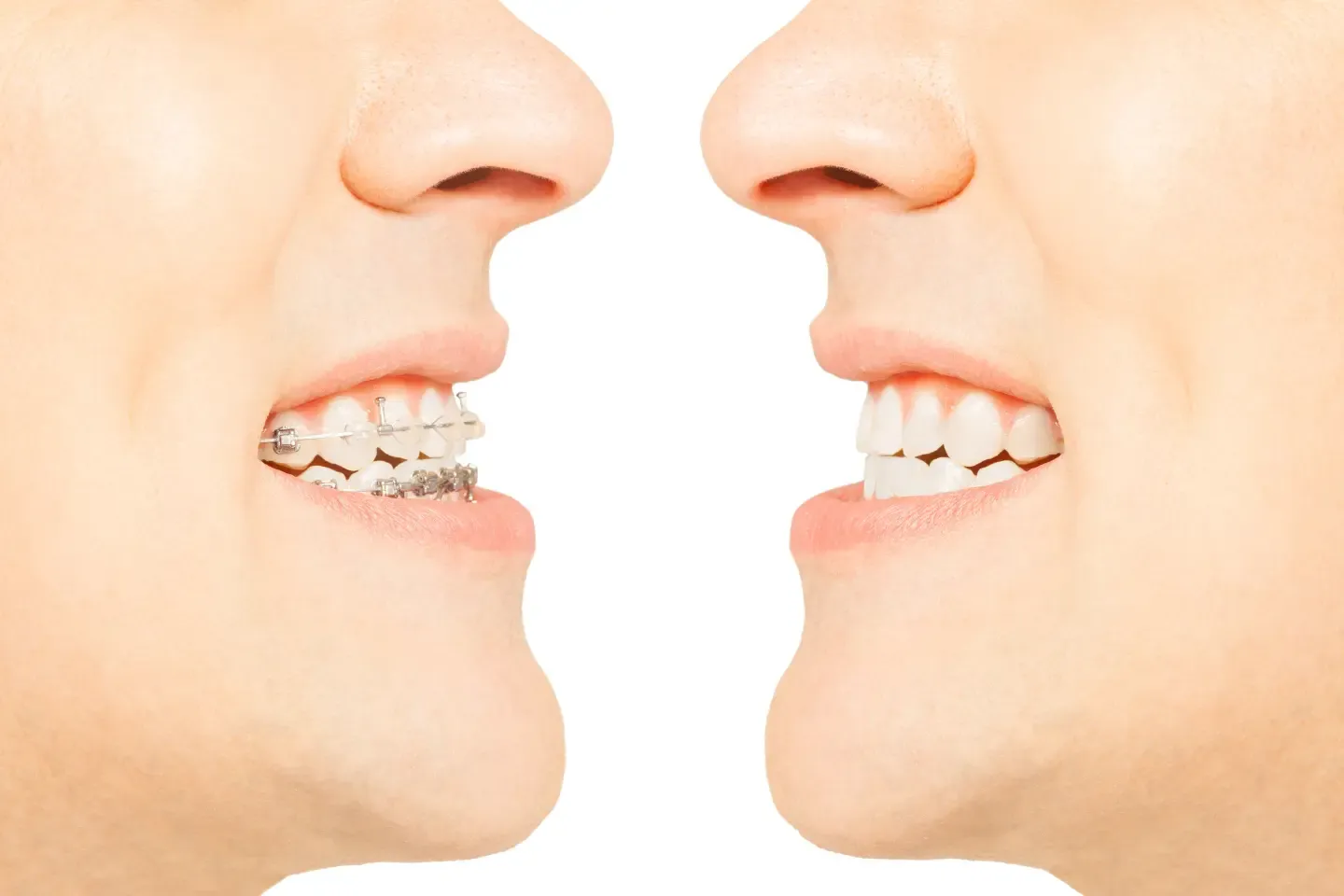
An overbite is one of the most common types of bite problems. It occurs when the upper front teeth extend too far over the lower front teeth when you bite down. A mild overbite may not cause noticeable problems, but a more pronounced overbite can affect your bite, tooth wear, jaw comfort, and confidence in your smile.
If you're considering orthodontic treatment, you may wonder, can Invisalign fix an overbite? In many cases, Invisalign clear aligners can correct mild to moderate overbites by gradually moving the teeth into healthier positions. However, the treatment approach depends on the severity and underlying cause of the overbite.
Understanding what Invisalign can treat can help you determine whether clear aligner treatment may be appropriate for your smile.
What Is an Overbite?
An overbite describes the vertical overlap of the upper front teeth over the lower front teeth. Some degree of overlap is normal, but an excessive overbite can indicate a bite problem that may benefit from orthodontic treatment.
An overbite can develop for several reasons, including:
- Genetics and natural jaw development
- Crowded or misaligned teeth
- Excessive growth or positioning of the upper jaw
- A lower jaw that sits farther back
- Childhood habits such as prolonged thumb sucking
- Certain patterns of tooth eruption
The severity and underlying cause of the overbite are important factors when determining the most appropriate treatment.
Can Invisalign Fix an Overbite?
Yes, Invisalign can fix an overbite in many patients, particularly when the problem is primarily related to the position of the teeth.
Invisalign uses a series of custom-made, removable clear aligners to gradually move your teeth. Each set of aligners is designed to make small, controlled adjustments according to your personalised treatment plan.
For patients with an overbite, treatment may involve moving the upper and lower teeth into improved positions and changing how they meet when you bite.
However, Invisalign is not suitable for every type or severity of overbite. A comprehensive orthodontic assessment is necessary to determine whether clear aligners can achieve the desired result.
How Does Invisalign Correct an Overbite?
Clear aligners work by applying controlled pressure to specific teeth over time. Your dentist or orthodontic provider creates a digital treatment plan showing how your teeth are expected to move throughout treatment.
Depending on your individual bite, Invisalign treatment may involve:
- Moving upper teeth into more appropriate positions
- Aligning crowded or rotated teeth
- Creating or closing small amounts of space
- Adjusting the position of lower teeth
- Improving the relationship between the upper and lower arches
- Using Invisalign attachments to help guide specific tooth movements
- Incorporating elastics when additional bite correction is needed
The exact movements depend on your dental anatomy and treatment goals.
What Types of Overbite Can Invisalign Treat?
Not all overbites are the same. Clear aligners are generally most predictable when the overbite is caused primarily by tooth positioning rather than a significant skeletal discrepancy.
Mild Overbite
Mild overbites are often suitable for treatment with clear aligners. Invisalign may be able to reposition the front teeth and improve their vertical overlap.
Moderate Overbite
Some moderate overbites can also be treated with Invisalign, particularly when the underlying jaw relationship is favourable. Your dentist will evaluate the bite carefully before recommending treatment.
Deep Bite
A deep bite occurs when the upper front teeth overlap the lower teeth excessively. Depending on its cause and severity, Invisalign may be used to help open the bite and improve the relationship between the upper and lower teeth.
Overbite Caused by Tooth Position
When the primary issue is that individual teeth are positioned incorrectly, clear aligners may be particularly effective because they are designed to move teeth gradually into planned positions.
When Might Invisalign Not Be Enough?
While Invisalign can address many orthodontic concerns, there are situations where clear aligners alone may not provide the desired correction.
For example, a severe overbite caused primarily by the position or size of the jaw bones may require a different treatment approach.
In some cases, your dentist may recommend:
- Traditional braces
- Additional orthodontic appliances
- Elastics
- A combination of orthodontic treatments
- Referral to an orthodontist
- Orthognathic surgery for significant skeletal discrepancies
This does not mean Invisalign is ineffective. Rather, the most appropriate treatment depends on whether the problem is primarily dental, skeletal, or a combination of both.
What Else Can Invisalign Treat?
One of the advantages of Invisalign is that clear aligners can address several common orthodontic concerns in addition to overbites.
Crowded Teeth
When there is not enough space for teeth to align correctly, they may overlap or become rotated. Invisalign can gradually reposition many types of mild to moderate crowding.
Gaps Between Teeth
Clear aligners can close certain spaces between teeth by gradually moving the teeth together.
Crooked Teeth
Teeth that are rotated, tilted, or out of alignment may often be improved with clear aligner treatment.
Crossbite
A crossbite occurs when some upper teeth sit inside the lower teeth when you bite down. Depending on the cause and severity, Invisalign may be able to correct certain types of crossbite.
Underbite
An underbite occurs when the lower front teeth extend beyond the upper front teeth. Mild cases may sometimes be managed with clear aligners, while more significant skeletal underbites may require additional treatment.
Open Bite
An open bite occurs when certain upper and lower teeth do not meet when the mouth is closed. Some types of open bite can be treated with clear aligners, depending on their underlying cause.
What Happens During an Invisalign Consultation?
Before beginning Invisalign treatment, your dentist will evaluate your teeth and bite to determine whether clear aligners are appropriate.
Comprehensive Examination
Your dentist will assess your teeth, gums, bite, and jaw relationship. Your dental history and orthodontic concerns will also be discussed.
Digital Scanning
Digital scanning can create a detailed three-dimensional model of your teeth. This information can be used to develop a personalised treatment plan.
Treatment Planning
Your dentist will determine which tooth movements are needed to improve your bite and alignment. The expected treatment process and goals can then be explained to you.
Custom Clear Aligners
If Invisalign is appropriate, a series of custom aligners will be created for your treatment. Each aligner is worn according to your dentist's instructions before progressing to the next stage.
Progress Monitoring
Regular appointments allow your dentist to monitor your progress and make sure your teeth are moving as planned. Adjustments to the treatment plan may be made when necessary.
How Long Does Invisalign Take to Fix an Overbite?
The length of Invisalign treatment varies considerably between patients. A mild overbite may require less treatment time than a more complex bite problem involving significant tooth movement.
Treatment time can be affected by:
- Severity of the overbite
- Amount of tooth movement required
- Overall tooth alignment
- Whether elastics or attachments are needed
- How consistently the aligners are worn
- Individual response to treatment
Your dentist can provide a more personalised estimate after examining your teeth and developing your treatment plan.
How Long Do You Need to Wear Invisalign Aligners?
For Invisalign to work effectively, aligners need to be worn consistently according to your provider's instructions. They are generally designed to be worn for most of the day and removed for eating, drinking anything other than water, brushing, and flossing.
Consistent wear is important because clear aligners can only move teeth while they are being worn.
Following your treatment schedule closely can help keep your treatment progressing as planned.
Benefits of Using Invisalign for an Overbite
For suitable patients, clear aligner treatment can offer several advantages.
Nearly Invisible Appearance
Invisalign aligners are made from clear material, making them considerably less noticeable than traditional metal braces.
Removable Design
The aligners can be removed when eating and during your oral hygiene routine, making it easier to maintain your normal dental care habits.
Comfortable Fit
The smooth plastic design is generally comfortable to wear and does not include metal brackets or wires.
Improved Oral Hygiene
Because the aligners are removable, you can brush and floss your teeth normally without having to clean around fixed orthodontic brackets.
Personalised Treatment
Each series of aligners is created according to an individual treatment plan designed around your teeth and bite.
What Happens After Invisalign Treatment?
Once your teeth have reached their planned positions, you will generally need to wear retainers to help maintain your results.
Teeth can naturally shift over time, even after successful orthodontic treatment. Retainers help reduce the likelihood of your teeth moving back toward their previous positions.
Your dentist will recommend a retention schedule based on your individual treatment.
Is Invisalign Right for Your Overbite?
The best way to determine whether Invisalign can correct your overbite is through a professional assessment. The appearance of an overbite alone does not reveal how severe the problem is or whether it is caused by tooth positioning or the underlying jaw relationship.
At Crest Hill Dental Studio, we evaluate your teeth and bite before recommending orthodontic treatment. If clear aligners are appropriate, we can develop a personalised plan designed to improve your alignment and bite while helping you achieve a more confident smile.
We proudly provide personalised dental care for patients in Crest Hill, Joliet, Lockport, Romeoville, and surrounding Illinois communities.
Improve Your Bite with Invisalign Clear Aligners
So, can Invisalign fix an overbite? For many patients, the answer is yes. Clear aligners can correct a range of orthodontic concerns, including certain mild to moderate overbites, crowded teeth, gaps, crossbites, and other alignment problems.
However, every smile is different. The most suitable treatment depends on the severity of your bite, the position of your teeth, and the relationship between your upper and lower jaws.
If you're considering Invisalign for an overbite, Crest Hill Dental Studio can evaluate your smile and help you understand whether clear aligners are a suitable option for your orthodontic goals. Contact our team to schedule a consultation and explore your treatment options.
FAQs
Q: Can Invisalign completely fix an overbite?
A: Invisalign can correct many mild to moderate overbites, particularly when the problem is primarily related to tooth positioning. More severe overbites caused by significant jaw discrepancies may require additional orthodontic treatment or other approaches.
Q: How does Invisalign fix an overbite?
A: Invisalign uses a series of custom clear aligners to gradually move the teeth into planned positions. Depending on your bite, treatment may also involve attachments or elastics to help achieve the necessary tooth movements.
Q: Is Invisalign better than braces for an overbite?
A: Neither option is automatically better for every patient. Invisalign can provide a discreet and removable alternative to braces for many orthodontic problems, but traditional braces may be more appropriate for certain complex cases. Your dentist can recommend the option that best suits your specific bite.
Q: How long does Invisalign take to correct an overbite?
A: Treatment time varies based on the severity of the overbite, the amount of tooth movement required, and how consistently you wear your aligners. Your dentist can provide an estimated timeline after evaluating your smile.
Q: Can Invisalign fix a deep bite?
A: Invisalign may be able to improve certain mild to moderate deep bites by changing the position of the teeth and improving their relationship. More complex deep bites may require additional orthodontic treatment.
Q: Will my overbite come back after Invisalign?
A: Teeth can shift after orthodontic treatment, which is why retainers are important. Wearing your retainers according to your dentist's instructions can help maintain your Invisalign results and reduce unwanted tooth movement.

We're Excited to Welcome You to
Crest Hill Dental Studio
We will open in August 2026 to provide modern, compassionate dental care in a comfortable and welcoming environment.

Phone: (815) 927-7757

Office Hours
Tuesday: 11:00 AM – 6:00 PM
Wednesday: 9:00 AM – 5:00 PM
Thursday: 9:00 AM – 5:00 PM
Friday: 9:00 AM – 2:00 PM
Saturday: 9:00 AM – 1:00 PM
Sunday & Monday: Closed

© 2026 Crest Hill Dental Studio | All Rights Reserved | Privacy Policy | Digital Marketing by Remedo