Dental Crowns vs. Fillings: Which Does Your Tooth Need?
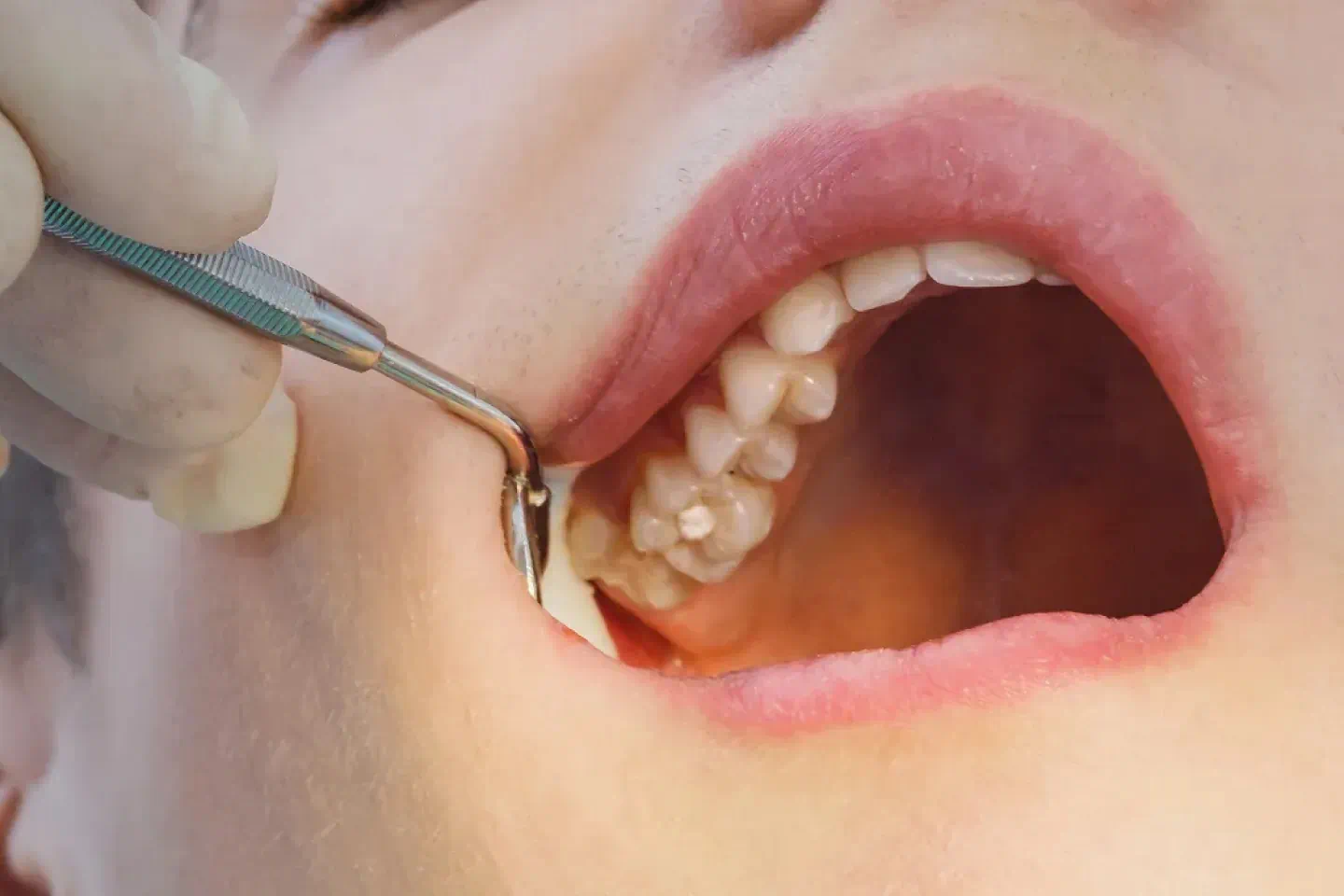
When a tooth is damaged by decay, cracks, or injury, your dentist may recommend either a dental filling or a dental crown. Both treatments can restore damaged teeth, but they are designed for different levels of damage and provide different types of protection.
Understanding the difference between dental crowns vs. fillings can help you feel more confident about your treatment options. While fillings are commonly used to repair smaller areas of tooth decay or damage, dental crowns can provide additional strength and protection when a significant portion of the tooth has been affected.
The right treatment depends on the condition of your tooth, how much healthy tooth structure remains, and your overall oral health. A dental examination allows your dentist to determine which option is most appropriate for your smile.
What Is a Dental Filling?
A dental filling is a restorative treatment used to repair a tooth that has been damaged by decay or minor damage. During the procedure, your dentist removes the affected portion of the tooth and fills the space with a restorative material.
Tooth-coloured composite fillings are commonly used because they can be matched closely to the natural colour of your teeth, providing a discreet result.
Dental fillings may be recommended when:
- A cavity has caused limited tooth damage
- The tooth has enough healthy structure to remain strong
- A small portion of the tooth has chipped
- An existing filling needs to be replaced
- Minor tooth damage needs to be repaired
Fillings restore the shape of the tooth while helping prevent decay from progressing further.
What Is a Dental Crown?
A dental crown is a custom-made restoration that covers the visible portion of a damaged tooth. Unlike a filling, which replaces only the damaged area, a crown surrounds and protects the remaining tooth structure.
Dental crowns may be recommended when a tooth has experienced significant damage or has become too weak to support a filling safely.
A crown may be appropriate for a tooth that has:
- Extensive decay
- A large or failing filling
- Significant cracks or fractures
- Substantial loss of tooth structure
- Undergone root canal treatment
- Been weakened by repeated dental procedures
Because a crown covers the tooth, it can provide additional strength and protection while restoring its shape, appearance, and function.
Dental Crowns vs. Dental Fillings: What's the Difference?
The main difference between a dental crown and a filling is the amount of tooth structure each restoration replaces and protects.
Dental Fillings
A filling repairs a specific area of damage while preserving as much healthy natural tooth structure as possible.
Fillings are generally suitable when:
- The cavity is relatively small or moderate
- Most of the tooth remains intact
- The tooth has adequate structural strength
- The damage does not require full coverage
Dental Crowns
Dental crowns provide coverage over the entire visible portion of the tooth and is generally used when more extensive protection is needed.
Crowns may be recommended when:
- A large amount of tooth structure is missing
- The tooth has become weakened
- A large filling has compromised the remaining tooth
- The tooth has a significant crack
- The tooth has undergone root canal treatment
Your dentist will consider the amount of remaining healthy tooth structure before recommending a filling or crown.
When Does a Tooth Need a Filling?
A filling is often the first choice when tooth damage is limited and enough healthy structure remains to support the tooth.
Small to Moderate Cavities
When decay has not significantly weakened the tooth, removing the damaged portion and placing a filling can restore its structure and function.
Minor Chips
Small chips caused by everyday wear, accidental damage, or biting down on something hard may sometimes be repaired with a tooth-coloured filling material.
Replacing an Old Filling
Existing fillings can eventually become worn, damaged, or develop leakage around their edges. Depending on the condition of the tooth, your dentist may replace the filling or recommend a crown if the tooth has become significantly weakened.
Preserving Natural Tooth Structure
One of the advantages of fillings is that they typically require less removal of healthy tooth structure compared with a crown. When appropriate, this conservative approach can help preserve more of your natural tooth.
When Does a Tooth Need a Crown?
A crown may be recommended when a filling would not provide enough support or protection for the damaged tooth.
Extensive Tooth Decay
When decay affects a large portion of the tooth, there may not be enough healthy structure remaining to support a traditional filling. A crown can provide additional coverage and strength.
Large or Failing Fillings
Large fillings can sometimes weaken a tooth because a significant amount of natural tooth structure has already been lost. If the remaining tooth becomes vulnerable to cracking, your dentist may recommend replacing the filling with a crown.
Cracked or Fractured Teeth
Some cracks can compromise the structural integrity of a tooth. A crown may help hold the remaining tooth structure together and protect it from further damage, depending on the location and severity of the crack.
After Root Canal Treatment
Teeth that have undergone root canal treatment may require additional protection because significant tooth structure may have been removed or weakened. A crown can help restore the tooth and reduce the risk of fracture.
Dental Crown or Filling: How Does Your Dentist Decide?
There is no single answer to whether a crown or filling is better. Your dentist will evaluate several factors before recommending treatment.
Amount of Tooth Structure Remaining
The more healthy tooth structure that remains, the more likely a filling may be suitable. When substantial tooth structure has been lost, a crown may provide better protection.
Size of the Cavity or Damage
Small areas of decay can often be treated with fillings. Larger areas of damage may require a crown to restore the tooth's strength.
Location of the Tooth
Back teeth experience considerable pressure during chewing. Your dentist will consider the tooth's location and the forces placed on it when choosing a restoration.
Condition of Existing Restorations
If a tooth already has a large filling that is failing or has caused the tooth to become weakened, replacing it with a crown may provide a more durable restoration.
Overall Oral Health
Your dentist will also consider your gums, bite, oral hygiene, and other factors that could affect the long-term success of the restoration.
Dental Crown vs. Filling: What Is the Procedure Like?
The treatment process differs depending on which restoration you need.
Getting a Dental Filling
A filling procedure generally involves:
- Examining the tooth
- Removing decay or damaged tooth structure
- Cleaning the affected area
- Placing the filling material
- Shaping and polishing the restoration
- Checking your bite
For many smaller cavities, a filling can be completed in a single appointment.
Getting a Dental Crown
A crown generally requires more preparation because the restoration must be custom-designed to fit over the tooth.
The process may include:
- Examining the tooth and taking digital X-rays when necessary
- Removing decay and damaged tooth structure
- Preparing the tooth to receive the crown
- Taking digital impressions or other measurements
- Creating the custom restoration
- Placing the permanent crown
- Checking the fit, appearance, and bite
Your dentist will explain each stage of the process and whether a temporary restoration is required while your permanent crown is being prepared.
Which Treatment Lasts Longer: A Crown or Filling?
Both dental fillings and crowns can provide long-lasting results when properly cared for, but their longevity depends on factors such as the material used, the condition of the tooth, oral hygiene, diet, bite forces, and regular dental care.
A crown can provide greater structural protection for a significantly weakened tooth, while a filling may be the more appropriate and conservative option for a tooth with limited damage.
Rather than choosing a restoration based solely on how long it may last, your dentist will consider which treatment is most likely to protect your tooth and maintain its function over time.
Can a Filling Be Replaced with a Crown?
Yes. A tooth that previously received a filling may eventually require a crown if it becomes significantly weakened or the existing filling is damaged.
For example, a filling may need to be replaced with a crown if:
- The filling has become very large
- The tooth has developed a crack
- The filling has fractured
- Additional decay has developed
- The remaining tooth structure is no longer strong enough
Replacing a filling with a crown can provide additional coverage and protection when the tooth requires a stronger restoration.
How to Protect Your Dental Crowns and Fillings
Good oral hygiene and regular dental visits can help extend the life of your restorations.
To protect your dental fillings and crowns:
- Brush twice daily with fluoride toothpaste
- Floss every day
- Attend routine dental examinations and cleanings
- Avoid chewing ice or other hard objects
- Wear a mouthguard during contact sports
- Use a nightguard if you grind or clench your teeth
- Contact your dentist if a restoration becomes loose, cracked, or painful
Although restorations are designed to withstand normal chewing, they can still be damaged by excessive force or untreated dental problems.
What Happens If You Delay Treatment?
Putting off treatment for a damaged or decayed tooth can allow the problem to become more complicated.
Untreated decay can continue deeper into the tooth and may eventually affect the dental pulp. A damaged tooth may also become more vulnerable to cracking or breaking.
Depending on the severity of the problem, delaying treatment could mean that a tooth that might initially have been treated with a filling eventually requires a crown, root canal treatment, or, in severe cases, extraction.
Early dental treatment gives you the best opportunity to preserve as much healthy natural tooth structure as possible.
Restore Your Tooth with the Right Treatment
When comparing dental crowns vs. fillings, neither option is automatically better. Fillings are often ideal for repairing smaller areas of decay or damage while preserving natural tooth structure. Crowns are designed to provide additional coverage and protection when a tooth has been significantly weakened.
The best restoration depends on your individual tooth and the extent of the damage. At Crest Hill Dental Studio, our team evaluates your oral health and explains your treatment options so you can make an informed decision about your dental care.
Whether you need a simple filling, a dental crown, or another restorative treatment, addressing dental problems early can help protect your natural teeth and maintain a healthy, functional smile. Crest Hill Dental Studio proudly serves patients in Crest Hill, Joliet, Lockport, Romeoville, and surrounding Illinois communities.
FAQs
Q: Is a dental crown better than a filling?
A: Neither treatment is universally better. A filling is generally appropriate for smaller areas of decay or damage when enough healthy tooth structure remains. A crown may be recommended when a tooth has lost significant structure or requires additional strength and protection.
Q: How do I know if I need a filling or a crown?
A: Your dentist will examine the tooth and assess factors such as the size of the cavity, the amount of healthy tooth structure remaining, existing restorations, cracks, and the tooth's overall strength. Digital X-rays may also be used when necessary.
Q: Can a large cavity be treated with a filling?
A: Sometimes, but it depends on how much healthy tooth structure remains. If a large cavity has significantly weakened the tooth, a crown may provide better protection than a filling.
Q: Does getting a crown hurt more than getting a filling?
A: Both procedures are performed using local anaesthesia to keep you comfortable. A crown generally requires more tooth preparation than a filling, but your dentist will take steps to make the procedure as comfortable as possible.
Q: Can a cracked tooth be repaired with a filling?
A: It depends on the location and severity of the crack. Minor damage may sometimes be repaired with a filling or bonding, while a more significant crack may require a crown or other treatment. Your dentist can determine the safest option after examining the tooth.
Q: How long do dental fillings and crowns last?
A: The lifespan of a filling or crown varies depending on the material, location of the restoration, oral hygiene, bite forces, and other factors. Regular dental visits and good home care can help extend the life of both types of restorations.

We're Excited to Welcome You to
Crest Hill Dental Studio
We will open in August 2026 to provide modern, compassionate dental care in a comfortable and welcoming environment.

Phone: (815) 927-7757

Office Hours
Tuesday: 11:00 AM – 6:00 PM
Wednesday: 9:00 AM – 5:00 PM
Thursday: 9:00 AM – 5:00 PM
Friday: 9:00 AM – 2:00 PM
Saturday: 9:00 AM – 1:00 PM
Sunday & Monday: Closed

© 2026 Crest Hill Dental Studio | All Rights Reserved | Privacy Policy | Digital Marketing by Remedo