Do You Need a Root Canal? 7 Warning Signs You Shouldn't Ignore
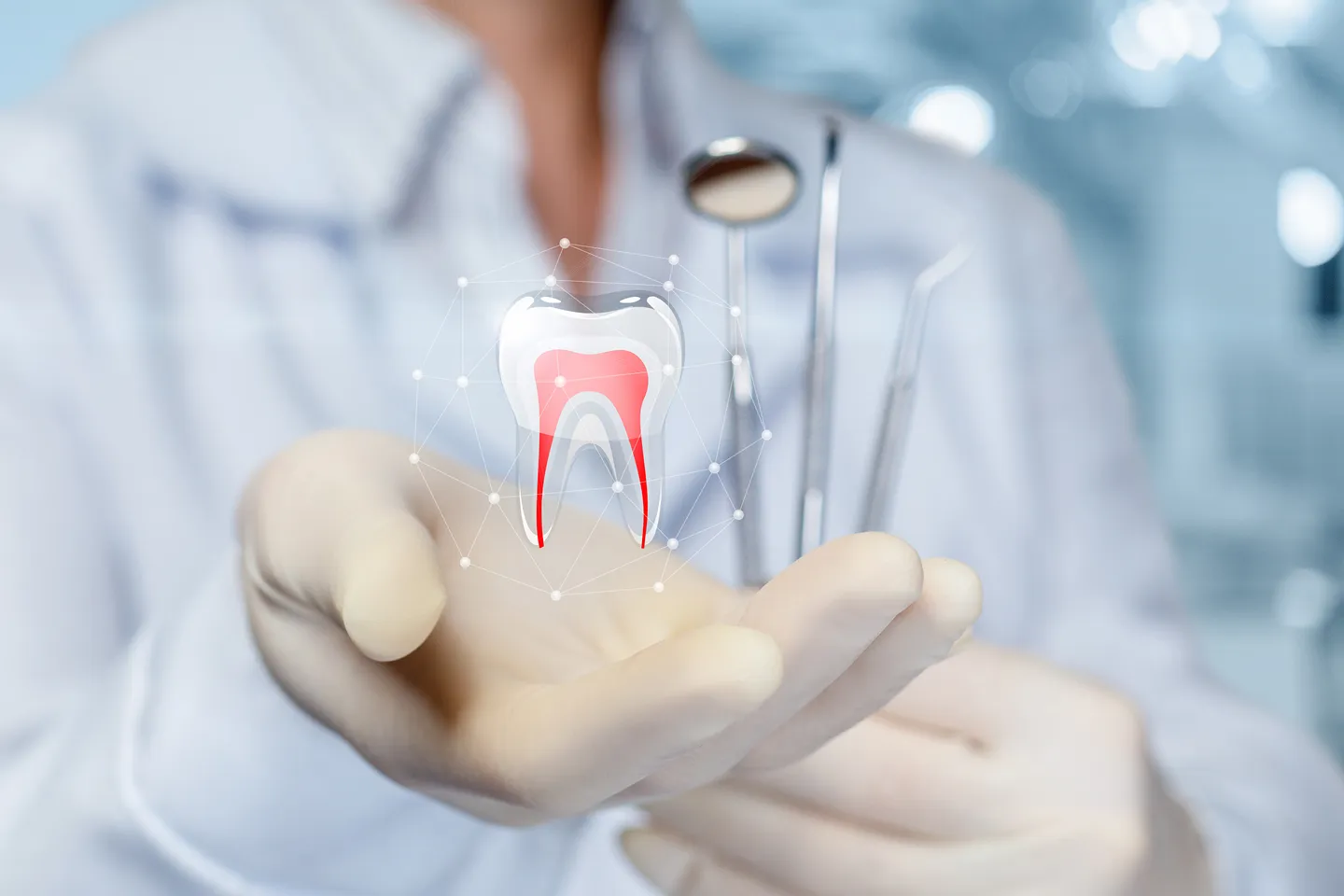
A toothache is easy to dismiss, especially if the pain comes and goes. You might assume it's caused by sensitivity, a cavity, or something that will resolve on its own. However, persistent or severe tooth pain can sometimes indicate that the soft tissue inside your tooth, known as the dental pulp, has become infected or inflamed.
When this happens, root canal therapy may be the most effective way to eliminate the infection, relieve discomfort, and save your natural tooth. Recognizing the signs you need a root canal early can help prevent the infection from spreading and reduce the need for more extensive dental treatment.
Understanding Root Canal Therapy
Inside every tooth is a soft tissue called the pulp, which contains nerves, blood vessels, and connective tissue. While the pulp plays an important role during tooth development, a fully developed tooth can continue to function without it.
If the pulp becomes infected due to deep decay, a cracked tooth, repeated dental procedures, or trauma, bacteria can multiply inside the tooth. Root canal therapy removes the infected pulp, disinfects the canals, and seals the tooth to prevent future infection. In many cases, a dental crown is then placed to restore the tooth's strength and function.
What Causes the Need for a Root Canal?
Several dental problems can damage the pulp and lead to infection, including:
- Deep tooth decay that reaches the inner layers of the tooth
- Cracked or fractured teeth that allow bacteria to enter
- Severe dental trauma or injury
- Large or failing fillings
- Repeated dental procedures on the same tooth
- Untreated cavities that continue to progress
Knowing the root canal symptoms can help you seek treatment before the infection worsens.
7 Warning Signs You Need a Root Canal
1. Persistent Tooth Pain
One of the most common signs you need a root canal is ongoing tooth pain that doesn't go away.
The discomfort may:
- Occur without any obvious cause
- Worsen when chewing or biting
- Radiate to the jaw, ear, or neighboring teeth
- Wake you up at night
While not every toothache requires a root canal, persistent pain should always be evaluated by your dentist.
2. Sensitivity That Lasts After Eating or Drinking
It's normal to feel brief sensitivity when consuming hot or cold foods. However, if the pain lingers for several seconds or even minutes after the temperature stimulus is removed, it may indicate that the pulp has become inflamed.
Lingering sensitivity is one of the early root canal symptoms that many patients overlook.
3. Pain When Biting Down
If biting or chewing causes sharp discomfort, it may suggest that the infection has reached the root of the tooth or surrounding tissues.
Pain while chewing may also indicate:
- An abscess
- A cracked tooth
- Inflammation around the tooth's root
- Advanced decay affecting the pulp
Prompt evaluation can determine whether tooth pain treatment such as a root canal is necessary.
4. Swollen or Tender Gums
An infected tooth can cause swelling around the affected area. You may notice:
- Puffy gums
- Tenderness when touching the area
- Localized redness
- A small bump or pimple on the gums
This bump, known as a dental fistula, may occasionally drain pus and is often a sign of a dental abscess that requires immediate attention.
5. Tooth Discoloration
A tooth that gradually turns grey, dark yellow, or brown without any obvious cause may indicate that the nerve inside the tooth has been damaged.
Internal discoloration often develops after trauma or infection and should be assessed by your dentist as soon as possible.
6. A Cracked or Broken Tooth
Even a small crack can allow bacteria to reach the pulp.
Cracks may occur due to:
- Biting hard foods
- Sports injuries
- Teeth grinding (bruxism)
- Accidents or falls
If bacteria enter through the crack, infection may develop even if the damage isn't immediately visible.
7. A Persistent Dental Abscess
A dental abscess is a pocket of infection that forms around the tooth root. Symptoms may include:
- Severe throbbing pain
- Facial swelling
- A bad taste in the mouth
- Persistent bad breath
- Fever in more advanced cases
A dental abscess is considered a dental emergency and often requires root canal therapy or other urgent treatment to eliminate the infection.
What Happens During Root Canal Therapy?
Many people worry that root canals are painful. In reality, modern root canal therapy is performed using local anesthesia and is designed to relieve pain caused by infection.
The procedure generally includes:
- Examining the tooth and taking digital X-rays
- Numbing the area with local anesthetic
- Removing the infected pulp
- Cleaning and disinfecting the root canals
- Filling and sealing the canals
- Restoring the tooth, often with a dental crown for added protection
Most patients return to their normal activities within a day.
Why You Shouldn't Delay Treatment
Ignoring root canal symptoms can allow the infection to spread beyond the tooth.
Delaying treatment may result in:
- Increased pain
- Formation of a larger dental abscess
- Bone loss around the tooth
- Swelling affecting the face or jaw
- Tooth extraction becoming the only remaining option
Early diagnosis often allows your dentist to save your natural tooth and prevent more complex dental procedures.
Can Every Toothache Be Treated with a Root Canal?
No. Tooth pain can result from several conditions, including:
- Tooth sensitivity
- Gum disease
- Cavities
- Cracked teeth
- Bite problems
- Sinus pressure
A comprehensive dental examination, along with digital X-rays, helps determine the exact cause of the pain and the most appropriate tooth pain treatment.
How to Reduce Your Risk of Needing a Root Canal
While some dental injuries are unavoidable, many root canal treatments can be prevented through good oral hygiene and routine dental care.
You can reduce your risk by:
- Brushing twice daily with fluoride toothpaste
- Flossing every day
- Scheduling routine dental checkups and cleanings
- Treating cavities early
- Wearing a mouthguard during sports
- Using a nightguard if you grind your teeth
- Avoiding chewing hard objects such as ice
Preventive care helps identify problems before they reach the inner portion of the tooth.
Save Your Natural Tooth with Early Treatment
Recognizing the signs you need a root canal can make all the difference in preserving your natural smile. Persistent tooth pain, prolonged sensitivity, swelling, or tooth discoloration should never be ignored. Early diagnosis and timely root canal therapy can relieve discomfort, eliminate infection, and restore the health and function of your tooth.
At Crest Hill Dental Studio, we provide comprehensive evaluations and personalized tooth pain treatment for patients experiencing dental discomfort. Whether you need a diagnosis, emergency dental care, or root canal therapy, our team is committed to helping you protect your smile with comfortable, patient-focused care. We proudly serve patients in Crest Hill, Joliet, Lockport, Romeoville, and surrounding Illinois communities.
FAQs
Q: Does needing a root canal always mean my tooth will be removed?
A: No. The purpose of root canal therapy is to save your natural tooth by removing the infected pulp and sealing the inside of the tooth. In many cases, the tooth can continue functioning normally for many years after treatment.
Q: Is a root canal painful?
A: Modern root canal treatment is performed using local anesthesia, making the procedure similar in comfort to receiving a dental filling. Most patients experience relief from the pain caused by the infection rather than pain from the procedure itself.
Q: Can a tooth heal without a root canal?
A: Once the dental pulp becomes infected, it cannot heal on its own. Without treatment, the infection can spread and may eventually require tooth extraction. Early treatment offers the best chance of preserving the natural tooth.
Q: How do I know if my tooth pain is serious?
A: Persistent tooth pain, lingering sensitivity to hot or cold, swelling, pain while chewing, or a darkened tooth are all signs that you should schedule a dental evaluation promptly. Your dentist can determine whether you need a filling, another treatment, or root canal therapy.

We're Excited to Welcome You to
Crest Hill Dental Studio
We will open in August 2026 to provide modern, compassionate dental care in a comfortable and welcoming environment.

Phone: (815) 927-7757

Office Hours
Monday: 10:00 AM - 5:00 PM
Tuesday: 11:00 AM - 7:00 PM
Wednesday: 10:00 AM - 5:00 PM
Thursday: 11:00 AM- 7:00 PM
Friday: 9:00 AM to 2:00 PM
Saturday only by Appointment, 10:00 AM to 1:00 PM
Sunday: Closed

© 2026 Crest Hill Dental Studio | All Rights Reserved | Privacy Policy | Digital Marketing by Remedo