How Long Do Dental Crowns Last? Factors That Can Affect Their Lifespan
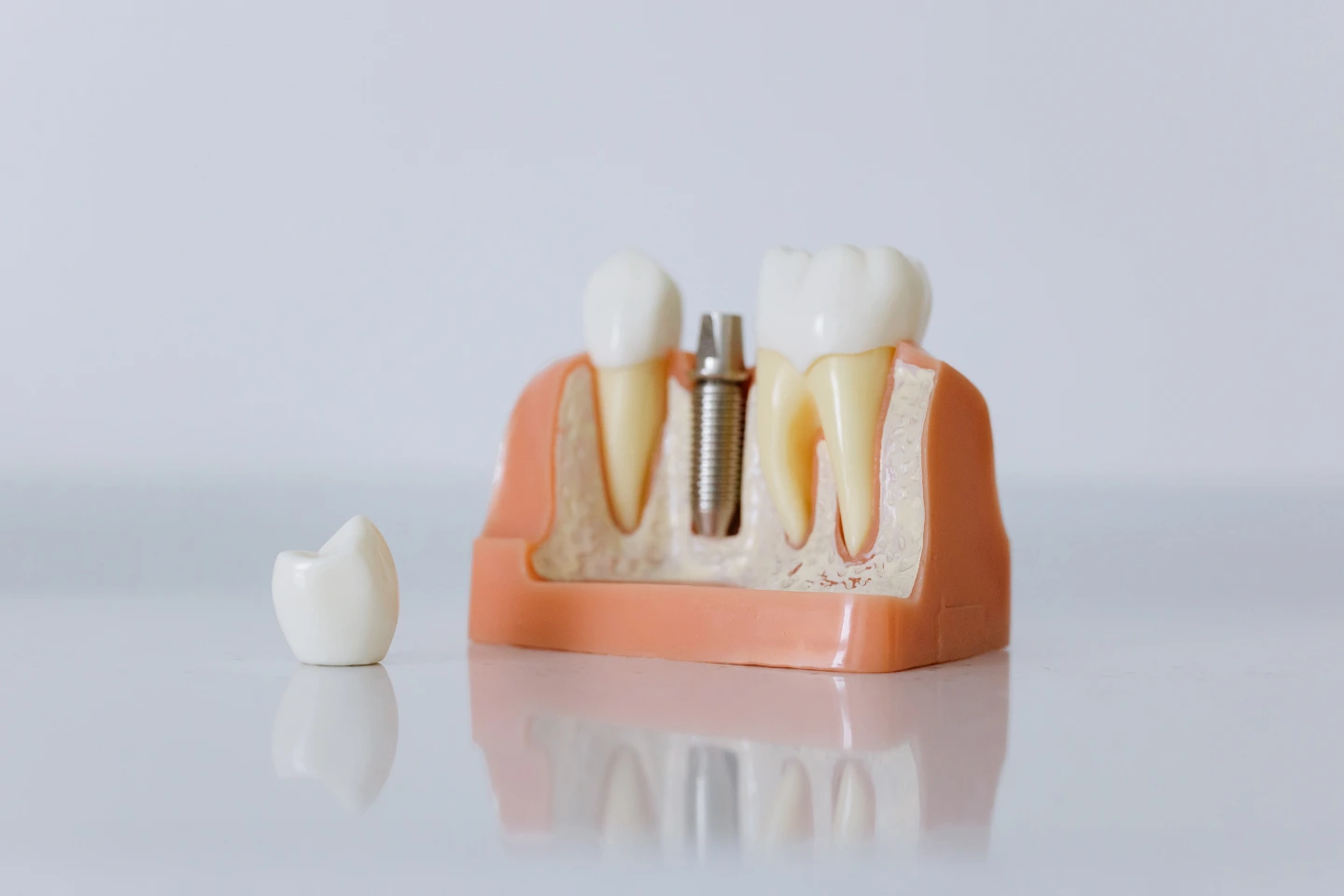
A dental crown can be used to restore and protect a tooth that has been weakened by decay, cracks, large fillings, or previous dental treatment. Because crowns are designed to withstand everyday chewing, many patients wonder how long they can expect their restoration to last.
There is no exact lifespan that applies to every dental crown. The longevity of a crown depends on several factors, including the material used, the condition of the underlying tooth, oral hygiene, bite forces, and how well the restoration is maintained.
Understanding the factors that can affect the lifespan of a dental crown can help you take better care of your restoration and recognise when it may need professional attention.
What Is a Dental Crown?
A dental crown is a custom-made restoration that covers the visible portion of a damaged or weakened tooth. Unlike a filling, which repairs a specific area, a crown provides coverage over the tooth to help restore its shape, function, and structure.
A dentist may recommend a dental crown when a tooth has:
- Extensive decay
- A large or damaged filling
- Significant cracks or fractures
- Lost substantial tooth structure
- Undergone root canal treatment
- Become weakened after previous dental procedures
The appropriate type of restoration depends on the condition of the tooth and your individual oral health.
How Long Do Dental Crowns Last?
Dental crowns can last for many years when they are properly placed and cared for. However, their lifespan varies from patient to patient.
Several factors can influence how long a crown remains functional, including:
- The type of crown material
- The location of the tooth
- Your bite and chewing forces
- Oral hygiene
- Your diet and habits
- The condition of the underlying tooth
- Regular dental care
- Teeth grinding or clenching
- The quality and fit of the restoration
Rather than focusing only on a specific number of years, it is important to understand that crown longevity depends on both the restoration and the environment in which it functions.
What Factors Affect the Lifespan of a Dental Crown?
1. Crown Material
Dental crowns can be made from different materials, and each material has its own characteristics.
Depending on your individual needs, your dentist may discuss options such as:
- Porcelain or ceramic
- Porcelain-fused-to-metal
- Metal
- Other dental crown materials
The location of the tooth, the amount of chewing pressure it experiences, your aesthetic preferences, and other factors can influence which material may be appropriate.
Your dentist can explain the differences between available materials during your dental consultation.
2. The Location of the Tooth
The position of the crowned tooth can affect the forces placed on the restoration.
Back teeth generally experience significant chewing pressure, particularly when eating harder foods. Front teeth experience different forces and may have different functional and cosmetic requirements.
Your dentist will consider the location of the tooth when planning your restoration.
3. The Condition of the Tooth Underneath
A crown can protect a weakened tooth, but the underlying tooth and surrounding tissues still require proper care.
If decay develops around the crown or the underlying tooth becomes damaged, the restoration may require professional evaluation.
This is why maintaining good oral hygiene and attending regular dental examinations are important even after receiving a crown.
4. Oral Hygiene
Good oral hygiene is one of the most important ways to protect your teeth and restorations.
A crown itself may not develop a cavity in the same way as natural tooth enamel, but the natural tooth structure around and underneath the crown can still be affected by plaque and decay.
To maintain your oral health:
- Brush twice a day with fluoride toothpaste
- Floss or clean between your teeth daily
- Pay attention to the gumline around the crown
- Attend regular dental examinations
- Have professional dental cleanings as recommended
Consistent preventive dental care can help your dental team monitor the health of the crown, gums, and surrounding teeth.
5. Teeth Grinding and Clenching
Grinding or clenching your teeth can place significant pressure on dental restorations.
Over time, excessive forces may contribute to:
- Cracks
- Chips
- Wear
- Damage to the restoration
- Stress on the underlying tooth
If you grind or clench your teeth, tell your dentist. Depending on your individual circumstances, your dentist may discuss protective measures such as a nightguard.
6. Your Eating Habits
Dental crowns are designed to withstand normal chewing, but certain habits can place unnecessary stress on a restoration.
Chewing on hard objects such as ice, pens, or fingernails can damage both crowns and natural teeth.
Very hard or sticky foods may also create additional stress, particularly if the crown or underlying tooth has already been compromised.
Following your dentist's recommendations can help protect your restoration.
7. The Fit of the Crown
A properly fitting crown is important for both comfort and function.
During crown treatment, your dentist evaluates the restoration's fit, appearance, and bite before completing the procedure.
A crown that feels loose, uncomfortable, or different from when it was first placed should be evaluated by your dentist.
If you notice a change in your restoration, scheduling an appointment allows your dental team to determine whether the crown needs adjustment, repair, or replacement.
Can a Dental Crown Wear Out?
Yes. Although dental crowns are designed for everyday function, they can experience wear over time.
Normal chewing forces can gradually affect the restoration. Additional stress from grinding, clenching, hard foods, or certain habits may contribute to faster wear.
The condition of your crown can be assessed during routine dental examinations. Your dentist can check the restoration and surrounding teeth and identify potential concerns before they become more complicated.
What Are the Signs That a Dental Crown May Need Attention?
A crown does not necessarily need to be replaced simply because it has been in place for a certain amount of time. However, changes in the crown or surrounding tooth should be evaluated.
Contact your dentist if you notice:
- Pain when biting
- Sensitivity around the crowned tooth
- A loose crown
- A chipped or cracked crown
- A change in your bite
- Food frequently becoming trapped around the crown
- Swelling or tenderness near the tooth
- A visible gap around the restoration
Some problems may be minor and treatable, while others may require the crown to be repaired or replaced.
Can a Dental Crown Get a Cavity?
The crown itself cannot develop tooth decay because it is made from a dental restoration material. However, the natural tooth structure around the crown can still develop decay.
Plaque and bacteria can collect near the gumline or around the edges of a crown. If oral hygiene is poor, the exposed natural tooth structure may become vulnerable to decay.
Regular brushing, flossing, professional cleanings, and dental examinations can help protect the tooth supporting your crown.
How Can You Make Your Dental Crown Last Longer?
There is no way to guarantee a specific lifespan for a dental crown, but good oral care can help protect the restoration.
To care for your crown:
- Brush twice a day with fluoride toothpaste
- Floss or clean between your teeth daily
- Attend regular dental check-ups
- Schedule professional cleanings as recommended
- Avoid chewing ice or other hard objects
- Avoid using your teeth to open packages
- Tell your dentist if you grind or clench your teeth
- Contact your dentist if your crown feels loose or damaged
These habits can help protect both the crown and the natural tooth underneath it.
Do Dental Crowns Require Special Cleaning?
Dental crowns generally do not require a completely different brushing routine from your natural teeth. However, it is important to clean carefully around the crown and gumline.
Plaque can accumulate around the edges of a crown, so cleaning between the teeth remains important.
Your dental team can also provide personalised advice based on your oral hygiene needs and the location of the restoration.
If you have questions about maintaining your smile, the Crest Hill Dental Studio dental FAQs provide additional information about common dental concerns.
What Happens If a Dental Crown Becomes Damaged?
If a crown becomes cracked, chipped, loose, or uncomfortable, contact your dentist rather than trying to repair it yourself.
Your dentist will examine the crown and the underlying tooth to determine what has happened.
Depending on the condition of the restoration, treatment may involve:
- Adjusting the crown
- Repairing the restoration in certain situations
- Recementing a crown if appropriate
- Replacing the crown
- Treating the underlying tooth if necessary
The appropriate treatment depends on the reason for the damage and the condition of the tooth.
Does a Root Canal Affect Crown Lifespan?
A crown may be recommended after root canal treatment when the remaining tooth structure needs additional protection. However, the presence of a crown does not eliminate the need for regular dental care.
The tooth and surrounding gums still need to be monitored, and maintaining good oral hygiene remains important.
Your dentist can explain how your previous treatment affects your restoration and what care may be recommended.
Why Regular Dental Visits Matter for Your Crown
Even if your dental crown feels completely normal, regular dental visits remain important.
During an examination, your dentist can evaluate:
- The crown's condition
- The surrounding natural tooth
- The gumline
- Your bite
- Nearby teeth
- Signs of decay or other oral health concerns
Routine dental care allows potential problems to be identified early.
At Crest Hill Dental Studio, regular examinations and preventive care can help your dental team monitor your oral health and existing restorations.
How Dental Technology Can Help Evaluate Your Crown
Modern dental technology can support the examination and treatment planning process.
Depending on your needs, your dentist may use digital imaging or other diagnostic tools to assess the crowned tooth and surrounding structures.
Crest Hill Dental Studio uses advanced dental technology to support diagnosis, treatment planning, and patient care.
The type of technology used will depend on your individual dental concerns and the examination required.
Protect Your Dental Crown for the Long Term
Dental crowns are designed to restore and protect weakened teeth, but their lifespan can vary considerably between patients. Crown material, tooth location, oral hygiene, bite forces, grinding, eating habits, and the condition of the underlying tooth can all influence how long a restoration remains functional.
Taking care of your crown is similar to caring for your natural teeth. Brush and floss consistently, avoid damaging habits, attend regular dental visits, and contact your dentist if you notice any changes.
At Crest Hill Dental Studio, our team provides personalised restorative and preventive dental care to help patients maintain their natural teeth and dental restorations.
If you have an existing crown that feels uncomfortable or you are considering a dental crown for a damaged tooth, contact Crest Hill Dental Studio to schedule an appointment.
Crest Hill Dental Studio proudly serves patients in Crest Hill, Lockport, Joliet, Plainfield, Shorewood, and surrounding Illinois communities.
FAQs
Q: How long do dental crowns usually last?
A: Dental crown lifespan varies from patient to patient. Factors such as the crown material, location of the tooth, oral hygiene, bite forces, teeth grinding, diet, and the condition of the underlying tooth can all affect how long a crown remains functional. Regular dental examinations can help your dentist monitor the condition of your restoration.
Q: What can make a dental crown wear out faster?
A: Several factors may contribute to increased wear or damage, including teeth grinding or clenching, chewing hard objects, poor oral hygiene, heavy bite forces, and certain eating habits. The condition of the underlying tooth and the fit of the crown can also affect its performance over time.
Q: Can a dental crown get a cavity?
A: The crown itself cannot develop tooth decay because it is made from a restorative material. However, the natural tooth structure around or underneath the crown can still develop decay. Good brushing, daily cleaning between the teeth, professional cleanings, and regular dental examinations can help protect the tooth.
Q: How do I know if my dental crown needs to be replaced?
A: A crown may need professional attention if it becomes loose, cracked, chipped, painful, or uncomfortable. Changes in your bite or swelling around the crowned tooth should also be evaluated. Your dentist can examine the crown and underlying tooth to determine whether it can be repaired, adjusted, or needs replacement.
Q: Can I eat normally with a dental crown?
A: Dental crowns are designed to withstand normal chewing, but it is still important to avoid habits that can damage restorations. Chewing ice, pens, fingernails, or other hard objects can place unnecessary stress on a crown. Your dentist can provide specific dietary advice based on your restoration and oral health.
Q: Do dental crowns need special care?
A: Dental crowns generally require regular brushing and cleaning between the teeth, just like your natural teeth. Pay particular attention to the gumline around the crown, where plaque can accumulate. Regular dental visits and professional cleanings are also important for monitoring the crown and the natural tooth underneath it.
Q: Can teeth grinding damage a dental crown?
A: Yes. Repeated grinding or clenching can place significant forces on a dental crown and may contribute to wear, chips, cracks, or other damage. If you grind or clench your teeth, tell your dentist. They can evaluate your bite and discuss whether a protective appliance may be appropriate.

We're Excited to Welcome You to
Crest Hill Dental Studio
We will open in August 2026 to provide modern, compassionate dental care in a comfortable and welcoming environment.

Phone: (815) 927-7757

Office Hours
Monday: 10:00 AM - 5:00 PM
Tuesday: 11:00 AM - 7:00 PM
Wednesday: 10:00 AM - 5:00 PM
Thursday: 11:00 AM- 7:00 PM
Friday: 9:00 AM to 2:00 PM
Saturday only by Appointment, 10:00 AM to 1:00 PM
Sunday: Closed

© 2026 Crest Hill Dental Studio | All Rights Reserved | Privacy Policy | Digital Marketing by Remedo