How to Replace a Missing Tooth Without a Dental Implant
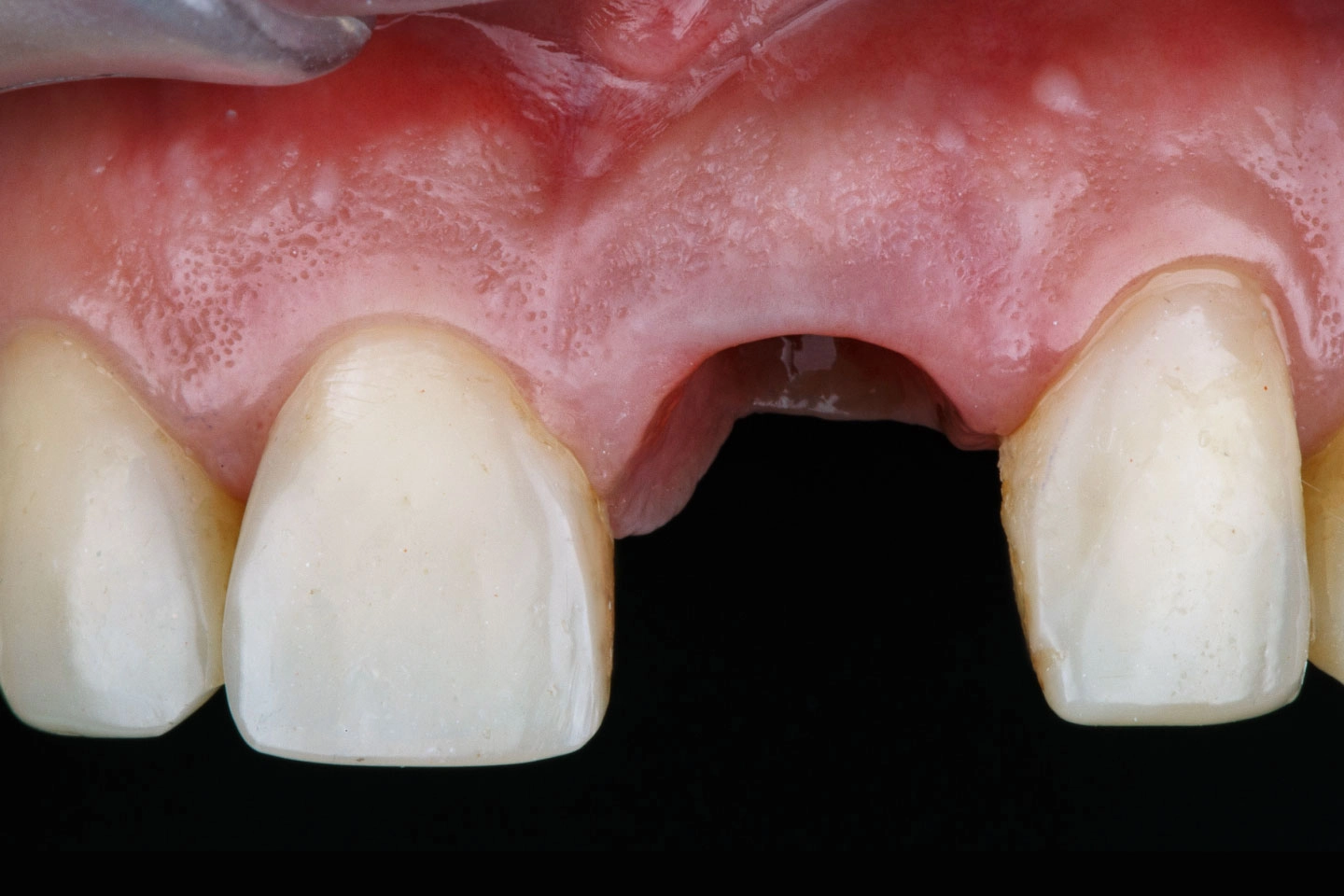
Losing a tooth can affect more than the appearance of your smile. A missing tooth can make chewing more difficult, affect the way you speak, and allow neighbouring teeth to shift into the empty space. While dental implants are a popular long-term tooth replacement option, they are not the only solution.
If you are wondering how to replace a missing tooth without a dental implant, several alternatives may be available. Dental bridges and dentures can restore the appearance and function of your smile without requiring an implant to be placed into the jawbone.
The best option depends on the location of the missing tooth, the condition of your remaining teeth and gums, your oral health, and your personal preferences. A dental consultation can help you understand which tooth replacement solution is right for you.
Why Should a Missing Tooth Be Replaced?
It may be tempting to leave a missing tooth alone, particularly if it is not visible when you smile. However, even a single missing tooth can affect your oral health and daily function.
Replacing a missing tooth can help:
- Restore chewing function
- Improve the appearance of your smile
- Support clearer speech
- Prevent neighbouring teeth from drifting
- Maintain a more balanced bite
- Restore confidence when eating and smiling
The impact of a missing tooth can vary depending on its location and whether other teeth are also missing.
Can You Replace a Missing Tooth Without an Implant?
Yes. Missing tooth replacement without implants is possible in many situations.
The most common alternatives include:
- Dental bridges
- Partial dentures
- Full dentures when multiple or all teeth are missing
Each option works differently and has its own advantages and considerations.
Your dentist will assess your teeth, gums, bite, and overall oral health before recommending a suitable treatment.
Option 1: Dental Bridge
A dental bridge is one of the most common ways to replace a missing tooth without placing an implant.
A bridge uses one or more neighbouring teeth to support a replacement tooth, known as a pontic. The replacement tooth fills the gap while the surrounding teeth provide support for the restoration.
How Does a Dental Bridge Work?
Traditional dental bridges are generally supported by crowns placed over the teeth on either side of the gap. The replacement tooth is attached between these supporting crowns.
The process may involve:
- Examining the missing tooth area
- Assessing the supporting teeth and gums
- Preparing the neighbouring teeth when required
- Taking digital impressions or scans
- Creating the custom bridge
- Fitting and securing the completed restoration
A bridge can provide a fixed tooth replacement option without requiring implant surgery.
Benefits of Dental Bridges
A bridge may be suitable if you want a fixed restoration but do not want or cannot have an implant.
Potential benefits include:
- Fixed rather than removable
- Restores chewing function
- Improves the appearance of the smile
- Can often be completed without implant surgery
- Provides support for the surrounding bite
However, traditional bridges typically require preparation of the neighbouring supporting teeth. Your dentist can explain whether this approach is appropriate for your particular situation.
Option 2: Partial Dentures
A partial denture is another way to replace one or several missing teeth without dental implants.
Unlike a bridge, a partial denture is removable. It consists of replacement teeth attached to a gum-coloured base and is designed to fit around your remaining natural teeth.
When Are Partial Dentures Used?
Partial dentures may be considered when:
- Several teeth are missing
- The missing teeth are in different areas of the mouth
- A fixed bridge is not suitable
- You prefer a removable option
- You need a more flexible tooth replacement solution
The design is customised according to the number and position of missing teeth and the condition of the remaining teeth.
Benefits of Partial Dentures
Partial dentures can:
- Replace multiple missing teeth
- Restore chewing ability
- Improve smile appearance
- Be removed for cleaning
- Avoid implant surgery
Your dentist will show you how to insert, remove, clean, and care for your partial denture.
Option 3: Full Dentures
If you are missing all or most of the teeth in an upper or lower arch, conventional full dentures may provide an option for replacing your teeth without implants.
Full dentures replace an entire arch of teeth and are designed to rest on the gums.
They can help restore:
- Basic chewing function
- Speech
- Facial appearance
- Smile aesthetics
- Confidence when interacting with others
Although implant-supported dentures can provide additional stability, conventional dentures do not require implants.
Dental Bridge vs. Partial Denture: Which Is Better?
Both bridges and partial dentures can replace missing teeth without implants, but they suit different circumstances.
Dental Bridge
A dental bridge may be preferable if:
- You are missing a single tooth or a small number of teeth
- Healthy supporting teeth are available
- You prefer a fixed restoration
- You want a restoration that remains in place while eating and speaking
Partial Denture
A partial denture may be more suitable if:
- Several teeth are missing
- The missing teeth are spread across the mouth
- A bridge is not practical
- You prefer a removable restoration
- You want an option that can replace multiple teeth
There is no universal solution. Your dentist can compare the available options based on your oral health and individual needs.
What About a Temporary Tooth Replacement?
In some situations, your dentist may recommend a temporary replacement while you wait for a permanent restoration or while your mouth heals after an extraction.
A temporary option can help:
- Maintain the appearance of your smile
- Provide limited chewing function
- Protect the area during healing
- Allow time to plan your long-term treatment
Temporary tooth replacement is not necessarily designed to provide the same durability or function as a permanent restoration.
Is Replacing a Missing Tooth Without an Implant Safe?
For many patients, non-implant tooth replacement can be a safe and effective way to restore a missing tooth or teeth.
However, every treatment has advantages and limitations. For example, a traditional bridge relies on neighbouring teeth for support, while a partial denture is removable and may feel different from natural teeth.
Your dentist will evaluate factors such as:
- The number of missing teeth
- Location of the missing tooth
- Condition of neighbouring teeth
- Gum health
- Bite and jaw function
- Overall oral hygiene
- Your treatment preferences and goals
This evaluation helps determine which option is most appropriate.
What Happens If You Don't Replace a Missing Tooth?
Not every missing tooth necessarily needs to be replaced immediately, but leaving a gap can sometimes contribute to changes in your bite and the position of neighbouring teeth.
Over time, adjacent teeth may begin to shift toward the empty space. This can affect how your upper and lower teeth meet and may make cleaning certain areas more difficult.
A missing tooth can also reduce chewing efficiency, particularly if it is located in an area that plays an important role in biting or grinding food.
Your dentist can assess the specific gap and help you decide whether replacement is recommended.
How Long Do Non-Implant Tooth Replacements Last?
The lifespan of a dental bridge or denture depends on several factors, including the material used, oral hygiene, bite forces, and how well the restoration is maintained.
Regular dental checkups are important because your dentist can monitor both the restoration and the teeth supporting it.
To help your tooth replacement last as long as possible:
- Brush your natural teeth twice daily
- Clean carefully around a dental bridge
- Clean your denture according to your dentist's instructions
- Floss or use recommended interdental cleaning aids
- Attend regular dental examinations
- Avoid chewing extremely hard objects
- Contact your dentist if your restoration becomes loose or damaged
Good oral hygiene is particularly important because the health of your remaining teeth and gums can affect the success of your tooth replacement.
What If I Don't Want a Dental Implant?
Choosing not to have an implant does not mean you have to live with a missing tooth.
Some patients prefer alternatives because they:
- Want to avoid implant surgery
- Prefer a removable restoration
- Are looking for a different treatment approach
- Have oral health considerations that make an implant less suitable
- Prefer to replace several missing teeth at once
Your dentist can explain the advantages and limitations of each available option so you can make an informed decision.
How Your Dentist Chooses the Right Tooth Replacement
There are several factors to consider when determining how to replace a missing tooth without an implant.
Number of Missing Teeth
Replacing one missing tooth may involve different options than replacing several teeth or an entire arch.
Location of the Gap
The position of the missing tooth affects chewing forces, appearance, and the type of restoration that may be practical.
Health of Your Remaining Teeth
A traditional bridge relies on neighbouring teeth for support, so their strength and condition need to be evaluated.
Gum and Bone Health
Healthy gums are important for maintaining your remaining natural teeth and supporting many types of dental restorations.
Your Lifestyle and Preferences
Some patients prefer fixed restorations, while others value the flexibility of a removable option. Your dentist will take your priorities into account when discussing treatment.
Restore Your Smile Without Dental Implant Surgery
If you're searching for how to replace a missing tooth without a dental implant, you have several potential options. Dental bridges and partial dentures can restore missing teeth without placing an implant into the jawbone, while full dentures can replace an entire arch when multiple or all teeth are missing.
The right choice depends on your oral health, the number and location of missing teeth, the condition of your remaining teeth, and your personal goals.
At Crest Hill Dental Studio, we provide personalised restorative dentistry to help patients understand their tooth replacement options. Whether a dental bridge, partial denture, or another restoration is appropriate for you, our team can help you choose a solution designed around your smile and long-term oral health.
We proudly serve patients in Crest Hill, Joliet, Lockport, Romeoville, and surrounding Illinois communities.
FAQs
Q: Can I replace one missing tooth without an implant?
A: Yes. A dental bridge is one common option for replacing a single missing tooth without an implant. Depending on your circumstances, other solutions may also be available. Your dentist can determine which option is appropriate after examining your teeth and gums.
Q: What is the best alternative to a dental implant?
A: There is no single best alternative for everyone. A dental bridge may be suitable for someone looking for a fixed replacement, while a partial denture may be more appropriate when several teeth are missing. Your oral health, treatment goals, and preferences all influence the recommendation.
Q: Is a dental bridge better than a partial denture?
A: A bridge and partial denture have different advantages. A bridge is fixed and supported by neighbouring teeth, while a partial denture is removable and can replace multiple teeth in different areas of the mouth. Your dentist can help you compare both options.
Q: Can a missing tooth be replaced permanently without an implant?
A: Dental bridges can provide a long-term fixed replacement without an implant. Partial and full dentures can also provide long-term tooth replacement, although they are removable. The most appropriate option depends on your individual oral health and circumstances.
Q: What happens if I leave a missing tooth unreplaced?
A: Depending on the location of the missing tooth, leaving a gap may allow neighbouring teeth to shift and can affect chewing or your bite. Your dentist can evaluate the gap and explain whether replacement is recommended.
Q: How much does it cost to replace a missing tooth without an implant?
A: The cost varies depending on the type of restoration, the number of teeth being replaced, the materials used, and any additional dental treatment required. A consultation with your dentist is the best way to receive a personalised treatment recommendation and cost estimate.

We're Excited to Welcome You to
Crest Hill Dental Studio
We will open in August 2026 to provide modern, compassionate dental care in a comfortable and welcoming environment.

Phone: (815) 927-7757

Office Hours
Tuesday: 11:00 AM – 6:00 PM
Wednesday: 9:00 AM – 5:00 PM
Thursday: 9:00 AM – 5:00 PM
Friday: 9:00 AM – 2:00 PM
Saturday: 9:00 AM – 1:00 PM
Sunday & Monday: Closed

© 2026 Crest Hill Dental Studio | All Rights Reserved | Privacy Policy | Digital Marketing by Remedo