What to Expect After a Tooth Extraction
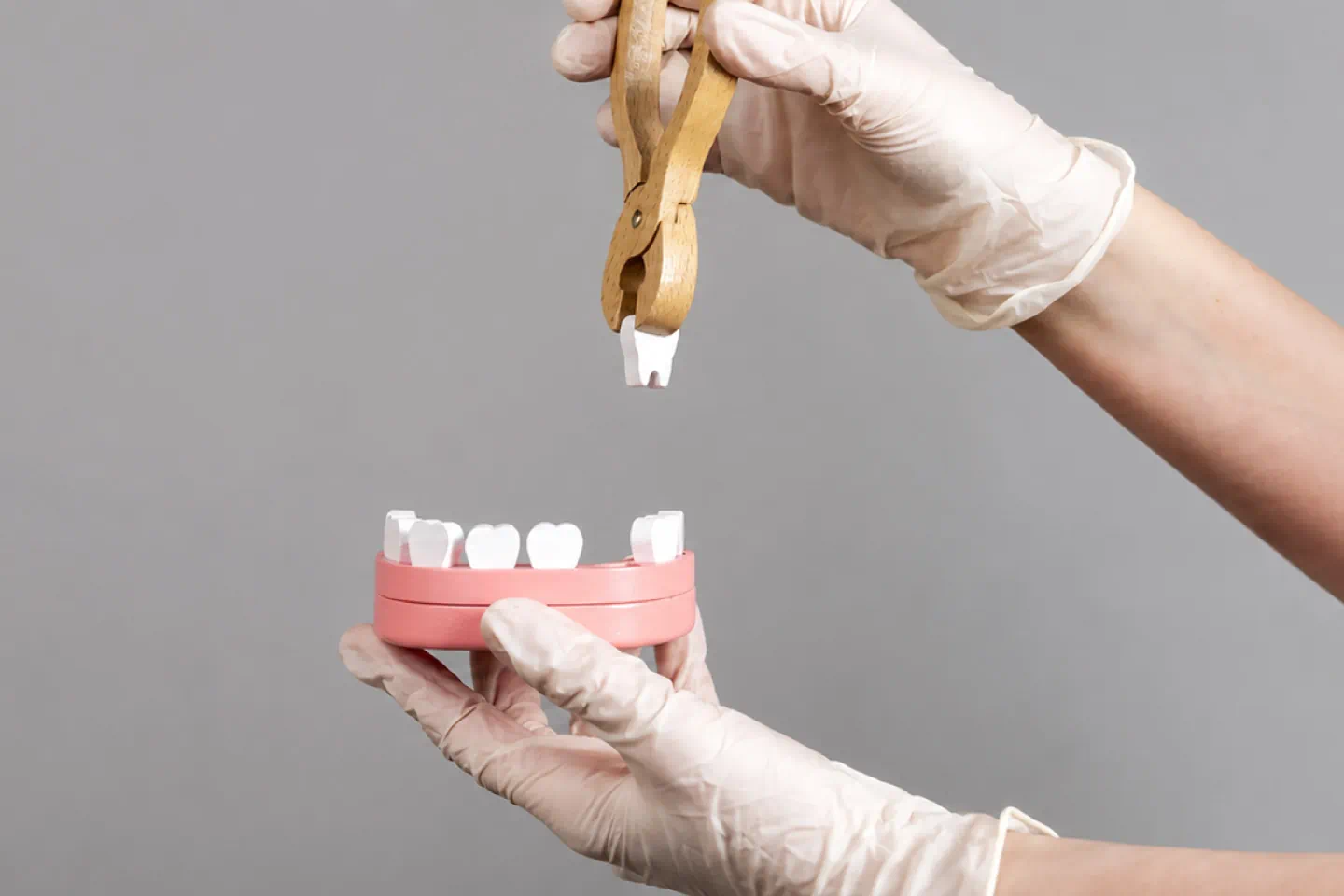
Having a tooth extracted can feel intimidating, but knowing what to expect afterward can make the recovery process much easier. Tooth extraction is a common dental procedure used when a tooth is severely damaged, decayed, infected, or unable to be restored.
After an extraction, your mouth needs time to heal. Some soreness, swelling, and sensitivity are normal during the first few days, but following your dentist's aftercare instructions can help support healing and reduce the risk of complications.
Understanding tooth extraction recovery can also help you recognise what is normal and when you should contact your dentist for additional care.
What Happens Immediately After a Tooth Extraction?
Once your tooth has been removed, your dentist will place gauze over the extraction site to help control bleeding. A blood clot will gradually form in the socket where the tooth was located.
This blood clot is an important part of the healing process because it protects the underlying bone and tissues while new tissue develops.
Your dentist will provide specific instructions based on your procedure, but you may be advised to:
- Bite gently on the gauze for the recommended amount of time
- Avoid disturbing the extraction site
- Rest for the remainder of the day
- Take medications as directed
- Choose soft foods initially
- Avoid smoking or using tobacco products
- Follow all recommended oral hygiene instructions
The first 24 hours are particularly important for protecting the blood clot and allowing the extraction site to begin healing.
What Is Normal During Tooth Extraction Recovery?
Recovery varies depending on the type of tooth extraction, the location of the tooth, and your overall oral health. However, several symptoms are common after a routine extraction.
Mild to Moderate Discomfort
Some soreness around the extraction site is expected after the anaesthetic wears off. Your dentist may recommend appropriate pain relief based on your individual circumstances.
Discomfort should generally become easier to manage as the days pass. Increasing or severe pain should be evaluated by your dentist.
Swelling
Swelling around the gums or cheek is common, particularly after a more complex extraction. It may become more noticeable during the first couple of days before gradually improving.
Applying a cold compress to the outside of your cheek during the early stages of recovery may help reduce swelling.
Minor Bleeding
A small amount of bleeding or blood-tinged saliva can occur during the first day. Gentle pressure with gauze can help control the bleeding.
If bleeding remains heavy or does not improve despite following your dentist's instructions, contact the dental office for guidance.
Jaw Tenderness
Your jaw may feel stiff or tired following the procedure, particularly if your mouth was open for an extended period. This typically improves as the tissues recover.
Tooth Extraction Recovery Timeline
Every patient heals differently, but having a general idea of what to expect can help you monitor your recovery.
First 24 Hours
The priority during the first day is protecting the blood clot.
You should:
- Rest and avoid strenuous activity
- Keep the gauze in place as instructed
- Avoid vigorous rinsing or spitting
- Avoid drinking through a straw
- Eat soft, cool or lukewarm foods
- Avoid smoking and tobacco products
- Avoid touching the extraction site with your fingers or tongue
Avoiding activities that create suction or disturb the extraction site can help reduce the risk of dislodging the blood clot.
Days 2–3
Swelling and soreness may still be present and can sometimes be most noticeable around this stage. Continue eating foods that are comfortable to chew and follow your dentist's oral hygiene instructions.
You can generally begin gently cleaning around the area while taking care not to disturb the extraction site.
Days 4–7
For many patients, discomfort and swelling begin to improve during this period. You may gradually return to your normal diet as comfortable, while continuing to keep the area clean.
If your symptoms are getting worse rather than better, contact your dentist.
Following Weeks
The gum tissue continues to heal after the initial recovery period. Deeper healing beneath the gum can take longer, particularly after surgical or complex extractions.
Your dentist may schedule a follow-up appointment to check the extraction site and discuss tooth replacement options if necessary.
What Can You Eat After a Tooth Extraction?
Choosing appropriate foods can make eating more comfortable while protecting the extraction site.
Recommended Foods
Soft foods that require minimal chewing are usually easier during the early stages of recovery, such as:
- Yogurt
- Applesauce
- Mashed potatoes
- Scrambled eggs
- Smooth soups served lukewarm
- Oatmeal
- Soft pasta
- Smoothies eaten with a spoon rather than a straw
As your mouth becomes more comfortable, you can gradually reintroduce firmer foods.
Foods to Avoid
During the early recovery period, avoid foods that can irritate or become trapped in the extraction site.
These may include:
- Hard or crunchy foods
- Very spicy foods
- Extremely hot foods and drinks
- Sticky foods
- Nuts and seeds
- Popcorn
- Foods with small particles that can lodge in the socket
Try to chew on the opposite side of your mouth while the extraction site is healing.
Oral Hygiene After Tooth Extraction
Keeping your mouth clean is important for reducing the risk of infection, but the extraction site needs to be treated gently.
You should generally continue brushing your other teeth as directed by your dentist, taking care not to brush directly over the extraction site during the initial healing period.
After the first day, your dentist may recommend gently rinsing with warm salt water. Do not rinse aggressively or forcefully because this can interfere with the healing blood clot.
If your dentist provides different instructions based on your specific procedure, follow those instructions instead.
Activities to Avoid During Recovery
Certain activities can increase bleeding or interfere with healing.
For the first few days, your dentist may recommend avoiding:
- Strenuous exercise
- Heavy lifting
- Smoking or tobacco use
- Alcohol
- Vigorous rinsing
- Using straws
- Touching or picking at the extraction site
Your dentist will let you know when it is appropriate to resume your usual activities.
How to Manage Pain and Swelling After Extraction
Some discomfort is expected after a tooth extraction, but there are several ways to make recovery more comfortable.
Follow Your Dentist's Medication Instructions
Take any recommended or prescribed medication according to your dentist's instructions. Do not exceed the recommended dosage.
Use a Cold Compress
A cold compress against the outside of the cheek can help manage swelling during the early stages of recovery. Use it for short periods at a time as recommended.
Rest
Giving your body time to recover can support the healing process. Avoid strenuous physical activity immediately after the extraction.
Keep Your Head Elevated
Keeping your head slightly elevated when resting may help reduce throbbing and discomfort during the first night.
What Is Dry Socket?
One of the complications patients are often warned about after an extraction is dry socket.
A dry socket can occur when the blood clot protecting the extraction site becomes dislodged or breaks down before the area has adequately healed. This can expose underlying tissues and result in significant pain.
Signs of dry socket may include:
- Severe pain several days after extraction
- Pain that radiates toward the ear, temple, or jaw
- An unpleasant taste or bad breath
- An extraction site that appears unusually empty
If you develop severe or worsening pain after an extraction, contact your dentist promptly. Treatment can help manage the symptoms and support healing.
When Should You Contact Your Dentist?
While some discomfort is normal, certain symptoms may indicate a complication or another problem requiring professional evaluation.
Contact your dentist if you experience:
- Severe or worsening pain
- Heavy or persistent bleeding
- Increasing swelling after the first few days
- Fever or chills
- Pus or discharge from the extraction site
- Difficulty swallowing or breathing
- Persistent numbness
- Symptoms that suddenly become worse after initially improving
If you experience difficulty breathing or swallowing because of significant swelling, seek emergency medical attention immediately.
When Can You Return to Normal Activities?
Many patients can return to light daily activities relatively quickly after a straightforward extraction. However, recovery time varies depending on the complexity of the procedure.
If you had a surgical extraction or wisdom tooth removal, you may need additional recovery time.
Your dentist will provide personalised guidance about:
- Returning to work or school
- Exercising
- Eating normally
- Brushing around the extraction site
- Driving after the procedure
- Follow-up appointments
Following these recommendations can help minimise complications and support a smoother recovery.
What Happens After the Extraction Site Heals?
If the extracted tooth was not a wisdom tooth or a tooth that does not need replacement, your dentist may discuss options for replacing the missing tooth.
Depending on your needs, possible tooth replacement options may include:
- Dental implants
- Dental bridges
- Partial dentures
Replacing a missing tooth can help restore chewing function and may prevent neighbouring teeth from shifting into the space.
Your dentist can discuss whether tooth replacement is appropriate and which option best suits your oral health and long-term goals.
Support a Healthy Recovery After Tooth Extraction
Knowing what to expect after a tooth extraction can help you feel more prepared and recognise potential complications early. Mild discomfort, swelling, and sensitivity are common during the initial stages of tooth extraction recovery, but your symptoms should generally improve as healing progresses.
Following your dentist's aftercare instructions, protecting the extraction site, maintaining good oral hygiene, and avoiding smoking and strenuous activity can all support the healing process.
At Crest Hill Dental Studio, we provide personalised dental care before, during, and after tooth extractions. Whether you need an extraction because of severe decay, infection, trauma, or another dental concern, our team focuses on your comfort and long-term oral health. We proudly serve patients in Crest Hill, Joliet, Lockport, Romeoville, and surrounding Illinois communities.
FAQs
Q: How long does it take to recover from a tooth extraction?
A: Many patients feel significantly better within a few days, although complete healing of the extraction site takes longer. Recovery depends on factors such as the type of extraction, the location of the tooth, and your overall health.
Q: How long should I avoid smoking after a tooth extraction?
A: Your dentist will provide specific instructions, but avoiding smoking for as long as possible during the initial healing period is important. Smoking can interfere with healing and increase the risk of complications such as dry socket.
Q: Can I brush my teeth after a tooth extraction?
A: You can generally continue brushing your other teeth, but you should avoid disturbing the extraction site, particularly during the first 24 hours. Follow the specific brushing and rinsing instructions provided by your dentist.
Q: When can I eat normally after a tooth extraction?
A: You can gradually return to your normal diet as the extraction site becomes more comfortable. Start with soft foods and avoid hard, crunchy, sticky, or very hot foods during the early recovery period.
Q: Is pain normal after a tooth extraction?
A: Mild to moderate soreness is common after an extraction, particularly once the anaesthetic wears off. Pain should generally improve over time. Severe, persistent, or worsening pain should be evaluated by your dentist.
Q: What should I do if my extraction site starts bleeding again?
A: Follow your dentist's instructions for controlling bleeding, which may include placing clean gauze over the area and applying gentle pressure. If bleeding is heavy or does not stop, contact your dentist promptly for advice.

We're Excited to Welcome You to
Crest Hill Dental Studio
We will open in August 2026 to provide modern, compassionate dental care in a comfortable and welcoming environment.

Phone: (815) 927-7757

Office Hours
Tuesday: 11:00 AM – 6:00 PM
Wednesday: 9:00 AM – 5:00 PM
Thursday: 9:00 AM – 5:00 PM
Friday: 9:00 AM – 2:00 PM
Saturday: 9:00 AM – 1:00 PM
Sunday & Monday: Closed

© 2026 Crest Hill Dental Studio | All Rights Reserved | Privacy Policy | Digital Marketing by Remedo