Wisdom Teeth Removal
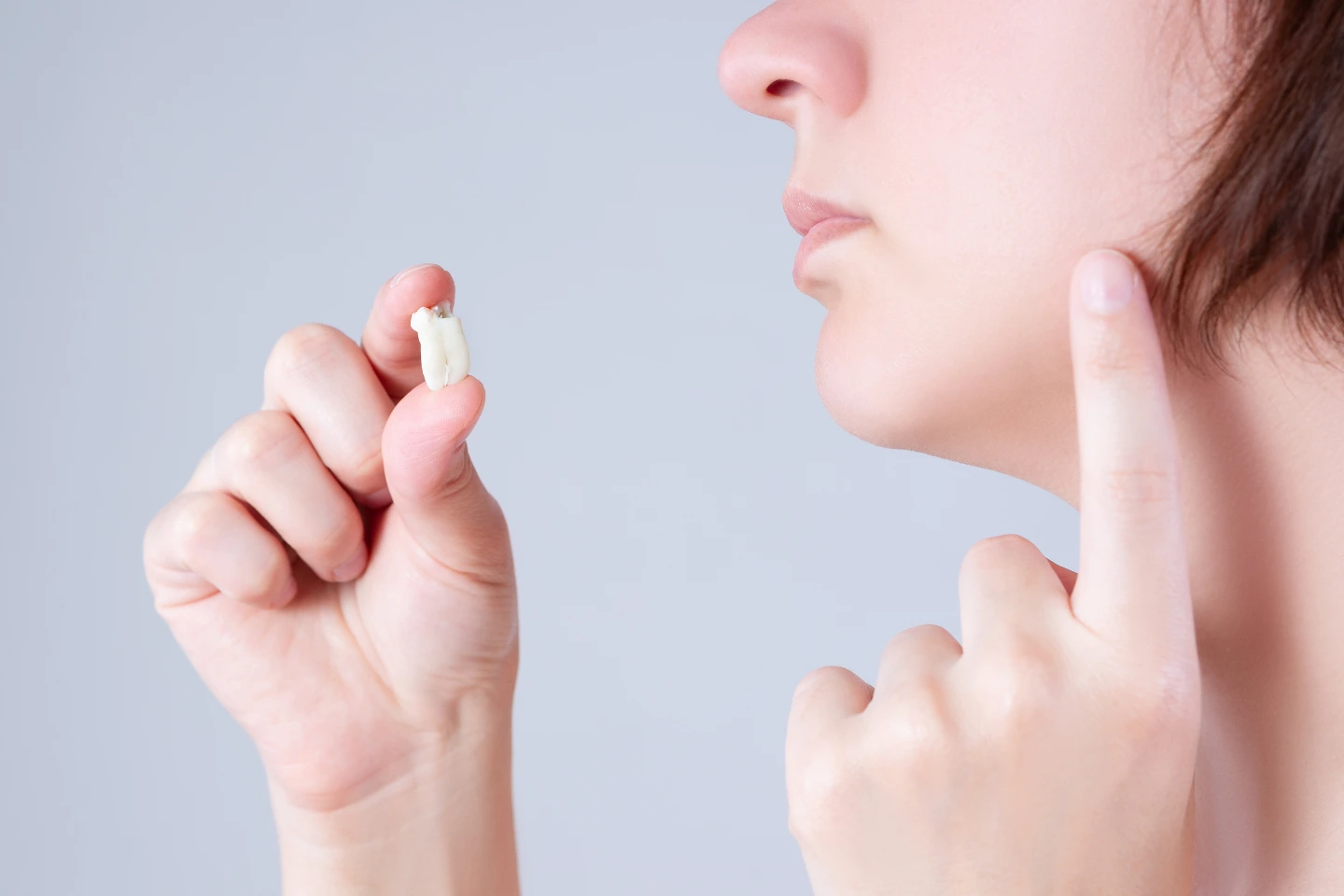
Third molars, commonly known as wisdom teeth, are the last set of permanent teeth to emerge, typically appearing between the ages of 17 and 25. For many young adults, there is simply not enough room in the jaw to accommodate these late-emerging teeth. As a result, wisdom teeth often erupt at awkward angles, push against adjacent healthy teeth, or remain trapped beneath the gums, causing chronic pain, infection, and damage to your entire smile.
Timely wisdom teeth removal in Crest Hill, IL protects your oral health before painful complications develop. By removing problematic third molars early, you prevent crowding, stop recurring gum infections, and preserve the structural integrity of neighboring teeth. Whether you are experiencing active discomfort or seeking proactive care, our team delivers safe, comfortable, and personalized surgical care tailored to your needs.
Symptoms and Signs You Need Wisdom Tooth Extractions
Human jaws have evolved to be smaller over time, often leaving insufficient space for four extra-large molars to emerge naturally. When wisdom teeth try to force their way into a crowded mouth, several painful and destructive dental issues can occur.
Common clinical reasons for evaluating wisdom teeth removal in Crest Hill, IL include:
- Partial Eruption and Pericoronitis: When a wisdom tooth breaks through the gums only partially, a flap of gum tissue forms over the crown. Food particles and bacteria easily collect under this flap, causing painful, recurring infections known as pericoronitis.
- Impaction: Wisdom teeth can become fully or partially trapped in soft tissue or jawbone. Impacted teeth push directly against neighboring tooth roots, leading to severe pain and pressure.
- Orthodontic Crowding and Shifting: The pressure from emerging third molars can force neighboring teeth out of alignment, undoing years of orthodontic progress or creating new bite issues.
- Cyst and Tumorous Growth formation: Fluid-filled sacs called cysts can form around impacted wisdom teeth, damaging surrounding jawbone structures, tooth roots, and facial nerves if left untreated.
- Damage to Adjacent Molars: Because wisdom teeth are notoriously difficult to clean, severe decay and bone loss often develop on the adjacent second molars.
Types of Impacted Wisdom Teeth and Surgical Approaches
Wisdom teeth develop in various positions depending on your unique jaw structure.
Understanding the exact orientation of your third molars helps us design the safest, most effective extraction plan:
- Soft Tissue Impaction: The tooth crown has cleared the jawbone but remains covered by gum tissue, making it susceptible to inflammation and bacteria buildup.
- Partial Eruption/Partial Bone Impaction: The tooth has partially emerged through the bone, but a portion remains embedded within the jaw, requiring careful access to release it safely.
- Full Bone Impaction: The tooth is completely encased within the jawbone, often lying horizontally or tilted toward neighboring teeth, requiring specialized surgical removal.
What Happens During the Wisdom Teeth Removal Procedure?
Removing wisdom teeth is a routine, highly controlled procedure designed around your absolute safety and comfort.
High-Precision Digital Evaluation
We capture high-resolution digital X-rays to map the precise location of your wisdom teeth relative to your sinuses and lower jaw nerves. This detailed planning minimizes surgical risk and ensures a predictable outcome.
Complete Local Numbing
Before beginning, we thoroughly numb the surgical areas with targeted local anesthesia. You remain conscious, relaxed, and pain-free throughout the entire procedure, feeling only mild pressure as the teeth are removed.
Precise Removal and Suturing
For impacted teeth, a tiny opening is made in the gum tissue. To minimize trauma to surrounding tissue and jawbone, the tooth is often divided into smaller, manageable sections and gently lifted out. The site is cleaned, and dissolvable sutures are placed to promote rapid healing.
Recovery and Aftercare Guidelines for Faster Healing
Following proper post-operative guidelines helps ensure a comfortable recovery while keeping complications like dry socket or infection at bay.
- Keep Constant Gauze Pressure: Maintain firm pressure on the placed gauze pads for 45 to 60 minutes after your appointment to facilitate healthy blood clot formation.
- Manage Swelling with Ice: Apply cold compresses to the outside of your cheeks in 15-minute cycles during the first 24 to 48 hours to minimize facial swelling.
- Avoid Suction Completely: Do not smoke, vape, drink through a straw, or spit forcefully for at least 72 hours, as negative pressure inside your mouth can dislodge the blood clot.
- Eat Soft, Cool foods: Stick to smooth, non-chewy foods such as smoothies, Greek yogurt, lukewarm broths, applesauce, and mashed potatoes for the first few days.
- Rinse Gently: Refrain from vigorous rinsing for the first 24 hours. Afterward, gently bathe your mouth with warm salt water after meals to keep the surgical sites clean.
Why Early Preventive Extraction Is Essential
Removing problematic wisdom teeth in late adolescence or early adulthood is often much easier because root structures are not fully formed and surrounding bone density is softer, leading to faster healing times and fewer post-operative risks.
If you suspect your wisdom teeth are erupting, shifting, or causing discomfort, do not wait for severe pain to develop.
Ready to Relieve Your Dental Pain?
If you or a family member needs an evaluation for wisdom teeth removal in Crest Hill, IL, schedule your free consultation at Crest Hill Dental Studio today. We offer flexible financing options to keep your treatment completely affordable. Call our office or request your appointment online now!
Frequently Asked Questions About Wisdom Tooth Removal
Q: Does getting wisdom teeth removed hurt?
A: No, you will not feel pain during the procedure because the area is completely numbed with local anesthesia. You may feel a sensation of pressure, but no sharp pain. Any mild soreness during recovery can be managed easily with recommended medications.
Q: What is the best age to get wisdom teeth removed?
A: Wisdom teeth are most commonly removed between the ages of 17 and 25. Extracting third molars during these early years is ideal because root systems are less developed, bone density is lighter, and recovery is generally faster.
Q: How long does recovery take after wisdom teeth removal?
A: Initial tissue healing typically takes 3 to 7 days, and most patients return to normal routine activities within 2 to 4 days. Complete bone healing takes a few months.
Q: What can I eat after my wisdom teeth procedure?
A: Stick to soft, nutrient-dense foods for the first 3 to 5 days. Excellent choices include lukewarm soups, smoothies, yogurt, pudding, scrambled eggs, and mashed potatoes. Avoid hard, spicy, or crunchy foods that could lodge in the healing sockets.

We're Excited to Welcome You to
Crest Hill Dental Studio
We will open in August 2026 to provide modern, compassionate dental care in a comfortable and welcoming environment.

Phone: (815) 927-7757

Office Hours
Monday: 10:00 AM - 5:00 PM
Tuesday: 11:00 AM - 7:00 PM
Wednesday: 10:00 AM - 5:00 PM
Thursday: 11:00 AM- 7:00 PM
Friday: 9:00 AM to 2:00 PM
Saturday only by Appointment, 10:00 AM to 1:00 PM
Sunday: Closed

© 2026 Crest Hill Dental Studio | All Rights Reserved | Privacy Policy | Digital Marketing by Remedo