
What Happens During a Dental Filling? A Step-by-Step Guide for Patients
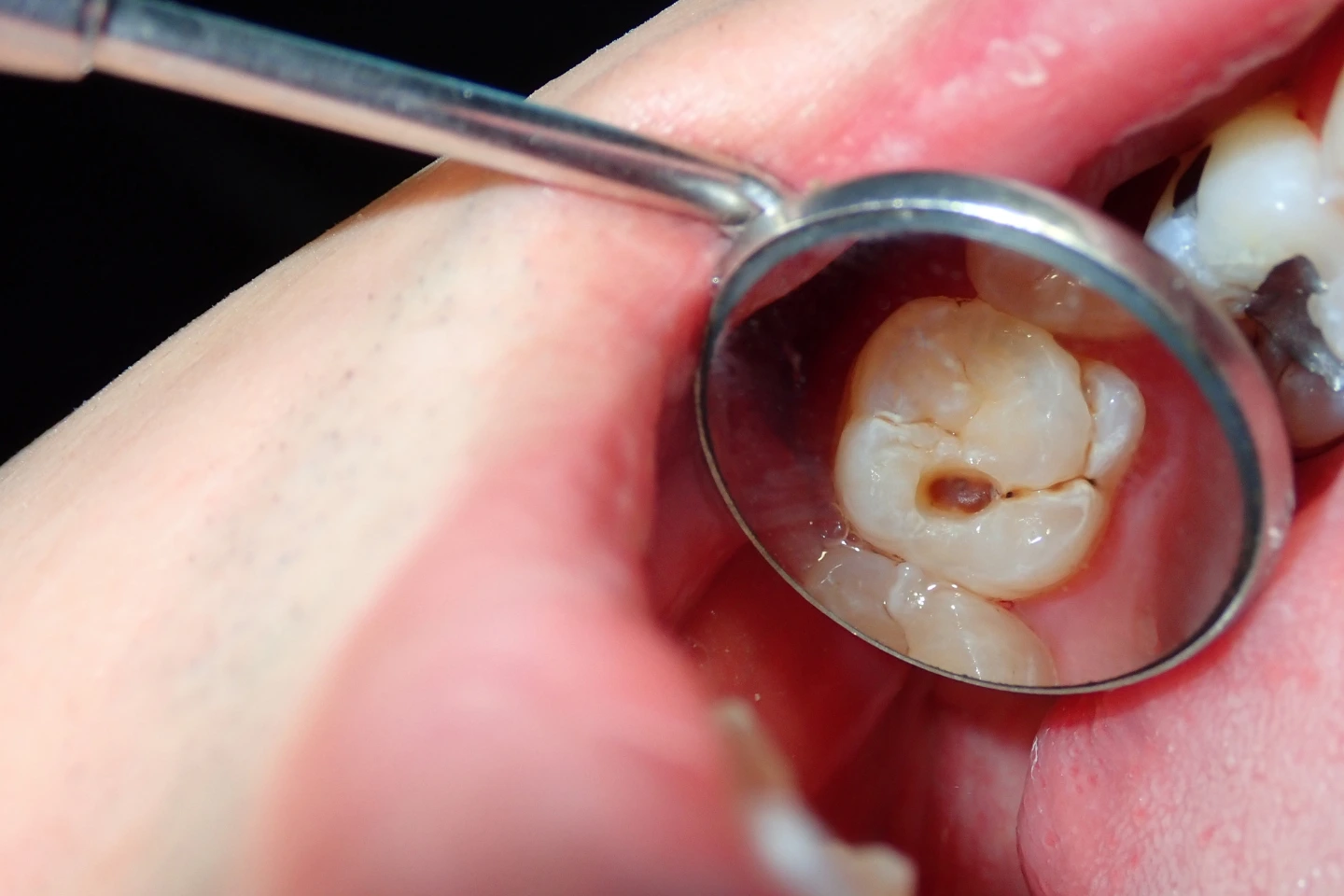
A dental filling is one of the most common treatments used to repair a tooth affected by decay or minor damage. If your dentist has recommended a filling, you may be wondering what the procedure involves, whether it will hurt, and what you can expect after treatment.
Understanding the dental filling process can make your appointment feel more manageable. While the exact procedure may vary depending on the tooth and the extent of the damage, most fillings involve examining the tooth, removing the damaged portion, cleaning the area, placing the filling material, and checking the final restoration.
At Crest Hill Dental Studio, we provide personalised restorative dental care to help patients address cavities and protect their natural teeth.
What Is a Dental Filling?
A dental filling is a restorative treatment used to repair a tooth that has been affected by decay or minor damage. During the procedure, your dentist removes the damaged portion of the tooth and fills the space with a suitable restorative material.
Tooth-coloured composite fillings are commonly used because they can be matched closely to the natural colour of your teeth.
A filling may be recommended when:
- A cavity has caused limited tooth damage
- A small area of the tooth has chipped
- An existing filling needs to be replaced
- Decay has affected part of the tooth
- The tooth still has enough healthy structure to support a filling
The goal is to remove the damaged tooth structure and restore the tooth's shape and function while preserving as much healthy natural tooth structure as possible.
You can learn more about tooth-coloured fillings and how they may be used to restore damaged teeth.
Why Might You Need a Dental Filling?
Tooth decay can develop when bacteria in dental plaque produce acids that gradually damage the tooth's enamel and underlying structures.
Early cavities may not always cause noticeable symptoms. As decay progresses, however, you may experience:
- Tooth sensitivity
- Pain when eating or drinking
- Food getting trapped in a particular area
- A visible dark spot or hole
- Pain when biting
- Increased sensitivity to hot or cold foods
Your dentist will examine the tooth to determine whether a filling is appropriate. If the damage is more extensive, another treatment such as a dental crown may be considered.
Step 1: Your Dentist Examines the Tooth
The first part of the appointment involves evaluating the affected tooth.
Your dentist may examine:
- The visible surface of the tooth
- The surrounding gums
- The extent of the decay
- Existing restorations
- Your bite
- Nearby teeth
Depending on the situation, dental X-rays or other diagnostic tools may also be recommended to understand the extent of the problem.
A thorough examination helps your dentist determine whether a filling is appropriate or whether the tooth requires a different type of treatment.
If you are visiting Crest Hill Dental Studio for the first time, you can review the new patient information before your appointment.
Step 2: Local Anaesthesia May Be Used
If the filling procedure requires treatment below the surface of the tooth, your dentist may use local anaesthesia to numb the area.
The purpose of local anaesthesia is to reduce discomfort while your dentist works on the tooth.
You may feel pressure or movement during the procedure, but the treated area should be numb.
If you have concerns about dental procedures or sensitivity, let your dental team know before treatment begins so they can explain what to expect.
Step 3: The Tooth Is Prepared
Once the area is numb, your dentist will prepare the tooth for the filling.
This generally involves removing the decayed or damaged portion of the tooth.
The amount of tooth structure removed depends on the extent of the decay or damage. Your dentist will aim to remove the affected area while preserving as much healthy tooth structure as possible.
The tooth is then prepared so the filling material can be placed securely.
Step 4: The Area Is Cleaned
After the damaged portion has been removed, the area is cleaned.
This helps remove remaining debris and prepares the tooth for the restorative material.
Keeping the treatment area clean is important because the filling needs to bond properly with the tooth.
Your dentist will also check the prepared area before moving on to the next stage.
Step 5: The Filling Material Is Placed
Once the tooth has been prepared and cleaned, your dentist places the filling material.
For a tooth-coloured composite filling, the material is carefully applied to the prepared area.
The dentist shapes the material so that it restores the missing portion of the tooth and fits naturally with the surrounding tooth structure.
Composite filling material can be matched to the colour of your natural teeth, making it a discreet option for many patients.
Step 6: The Filling Is Hardened
If a tooth-coloured composite material is being used, a special dental light may be used to harden the material.
The material is applied and hardened in stages as needed.
This allows your dentist to build up the restoration while controlling its shape and fit.
Crest Hill Dental Studio uses advanced dental technology to support diagnosis and treatment planning throughout your dental care.
Step 7: Your Dentist Shapes and Polishes the Filling
After the filling has been placed, your dentist will shape and polish the restoration.
The goal is to create a smooth surface that fits naturally with the rest of your tooth.
Your dentist will also check how your upper and lower teeth come together when you bite.
If the filling feels too high, it can be adjusted before you leave the appointment.
Step 8: Your Bite Is Checked
Checking your bite is an important final step.
A filling that is slightly too high may feel uncomfortable when you chew. Your dentist can ask you to bite down and may make small adjustments to ensure the restoration fits comfortably with your natural bite.
Once your dentist is satisfied with the fit, the procedure is complete.
How Long Does a Dental Filling Take?
The time required for a filling depends on factors such as:
- The size of the cavity
- The location of the tooth
- The number of surfaces affected
- The type of filling material used
- Whether additional treatment is necessary
Many routine fillings can be completed during a single dental appointment.
Your dentist can give you a better idea of how long your procedure may take after examining the tooth.
Does Getting a Dental Filling Hurt?
Many patients are concerned about discomfort during a filling.
Local anaesthesia may be used to numb the treatment area, helping reduce discomfort during the procedure.
You may notice pressure, vibration, or movement while your dentist works on the tooth. After treatment, the tooth or surrounding area may feel slightly different for a short period.
If you experience significant or persistent pain after a filling, contact your dental practice so the restoration can be evaluated.
What Can You Expect After a Dental Filling?
After the procedure, your mouth may remain numb for a while if local anaesthesia was used.
During this time, be careful when eating or drinking so you do not accidentally bite your cheek, lip, or tongue.
You may also notice temporary sensitivity to:
- Cold foods or drinks
- Hot foods or drinks
- Pressure
- Biting
This sensitivity can occur after dental treatment, but persistent or worsening symptoms should be discussed with your dentist.
Can You Eat After Getting a Filling?
Whether you can eat immediately after a filling depends on the type of filling and whether local anaesthesia was used.
If your mouth is still numb, it is generally sensible to wait until normal sensation returns before eating to avoid accidentally biting your cheek or tongue.
Your dentist will provide specific instructions based on the material used and your individual treatment.
If you are unsure about what you can eat after your procedure, ask your dental team before leaving your appointment.
How Should You Care for a Dental Filling?
A filling does not mean that the tooth no longer needs regular dental care.
To help protect your filled tooth:
- Brush twice daily with fluoride toothpaste
- Floss or clean between your teeth every day
- Attend regular dental examinations
- Have professional dental cleanings as recommended
- Limit frequent consumption of sugary foods and drinks
- Avoid chewing hard objects such as ice
- Contact your dentist if the filling becomes damaged or uncomfortable
Maintaining good oral hygiene can help protect the natural tooth structure surrounding the filling.
Regular preventive dental care also allows your dental team to monitor your teeth and existing restorations.
How Long Does a Dental Filling Last?
The lifespan of a filling can vary depending on several factors.
These may include:
- The material used
- The size and location of the filling
- Your bite
- Oral hygiene
- Diet
- Teeth grinding or clenching
- The condition of the surrounding tooth structure
Fillings can wear, crack, or become damaged over time. Regular dental examinations allow your dentist to check existing restorations and identify potential concerns.
What Happens If a Filling Becomes Damaged?
A filling may sometimes become worn, chipped, cracked, or loose.
Contact your dentist if you notice:
- Pain when biting
- New sensitivity
- A rough or sharp edge
- A loose filling
- A visible crack
- Food repeatedly becoming trapped around the filling
Your dentist can examine the tooth and determine whether the filling can be repaired or replaced.
If the tooth has become significantly weakened, a different restoration, such as a dental crown, may sometimes be considered.
Can a Filling Prevent a Cavity From Getting Worse?
A filling removes the decayed portion of the tooth and restores the affected area. However, having a filling does not make the tooth immune to future decay.
The remaining natural tooth structure can still develop decay if plaque and bacteria are not adequately controlled.
Good oral hygiene, regular dental visits, and professional cleanings are important for protecting both filled and untreated teeth.
Why Treat a Cavity Early?
Dental decay can progress if it is not treated.
A cavity that begins as a small area of damage can eventually extend deeper into the tooth. As the damage becomes more extensive, treatment may become more complicated.
Depending on the severity of the decay, treatment could eventually involve a larger restoration, root canal treatment, a crown, or extraction.
Addressing decay when it is identified may allow your dentist to preserve more of your natural tooth structure.
Dental Fillings at Crest Hill Dental Studio
A dental filling is a common restorative treatment designed to repair teeth affected by cavities or minor damage. The procedure typically involves examining the tooth, numbing the area when appropriate, removing decay, cleaning the tooth, placing the filling material, and checking the final restoration.
Knowing what happens during a dental filling can help you feel more prepared for your appointment and understand why each stage of treatment is important.
At Crest Hill Dental Studio, our team provides personalised restorative dental care designed around each patient's individual needs. If you have tooth sensitivity, pain, or a known cavity, an examination can help determine whether a filling or another treatment may be appropriate.
Crest Hill Dental Studio proudly serves patients in Crest Hill, Lockport, Joliet, Plainfield, Shorewood, and surrounding Illinois communities.
Ready to address a cavity or damaged tooth? Contact Crest Hill Dental Studio to schedule an appointment.
FAQs
Q: What happens during a dental filling?
A: A dental filling generally involves examining the affected tooth, using local anaesthesia when appropriate, removing the decayed or damaged portion, cleaning the area, placing the filling material, and shaping and polishing the restoration. Your dentist will also check your bite before completing the procedure.
Q: Does getting a dental filling hurt?
A: Local anaesthesia may be used to numb the treatment area and reduce discomfort during the procedure. You may notice pressure, vibration, or movement while the dentist works on the tooth. Some temporary sensitivity may occur after treatment, but significant or persistent pain should be discussed with your dentist.
Q: How long does a dental filling take?
A: The length of a filling appointment depends on the size and location of the cavity, the number of surfaces affected, the filling material used, and whether additional treatment is needed. Many routine fillings can be completed during one appointment.
Q: Can I eat immediately after getting a filling?
A: This depends on the type of filling and whether your mouth is still numb from local anaesthesia. If you are numb, waiting until normal sensation returns can help prevent accidental biting of your cheek, lip, or tongue. Your dentist will provide specific instructions after treatment.
Q: How long does a dental filling last?
A: The lifespan of a filling varies depending on factors such as the material used, the size and location of the restoration, oral hygiene, bite forces, diet, and teeth grinding. Regular dental examinations allow your dentist to monitor the condition of the filling.
Q: What should I do if my filling becomes loose or painful?
A: Contact your dentist if your filling becomes loose, cracked, painful, or sensitive. Your dentist can examine the restoration and determine whether it can be repaired or needs to be replaced. If the surrounding tooth has become significantly weakened, another restoration may be considered.
Q: Can I prevent cavities after getting a filling?
A: A filling repairs an existing area of decay, but the remaining natural tooth can still develop cavities. Brushing twice a day with fluoride toothpaste, cleaning between your teeth daily, limiting frequent sugary foods and drinks, and attending regular dental examinations can help reduce the risk of future decay.

We're Excited to Welcome You to
Crest Hill Dental Studio
We will open in August 2026 to provide modern, compassionate dental care in a comfortable and welcoming environment.

Phone: (815) 927-7757

Office Hours
Monday: 10:00 AM - 5:00 PM
Tuesday: 11:00 AM - 7:00 PM
Wednesday: 10:00 AM - 5:00 PM
Thursday: 11:00 AM- 7:00 PM
Friday: 9:00 AM to 2:00 PM
Saturday only by Appointment, 10:00 AM to 1:00 PM
Sunday: Closed

© 2026 Crest Hill Dental Studio | All Rights Reserved | Privacy Policy | Digital Marketing by Remedo