When Should You Get Your Wisdom Teeth Removed?
Your jaw has been aching on and off for weeks. Maybe your gums at the very back of your mouth feel swollen, or food keeps getting stuck in a spot you cannot quite reach with your toothbrush. You are starting to wonder if your wisdom teeth are the problem and whether it is time to have them taken out.
Wisdom teeth do not always cause trouble. Some people have enough room for them to come in just fine. But for many others, these late-arriving molars create real problems pain, infection, crowding, or damage to the teeth next to them. The tricky part is knowing when to leave them alone and when to take action.
This post breaks down the signs that your wisdom teeth may need to come out, what the procedure actually involves, and what to expect during recovery.
What Are Wisdom Teeth, and Why Do They Cause Problems?
Wisdom teeth are your third set of molars the last teeth to develop, typically showing up between the ages of 17 and 25. Most people develop up to four, though it is completely normal to have fewer or none at all.
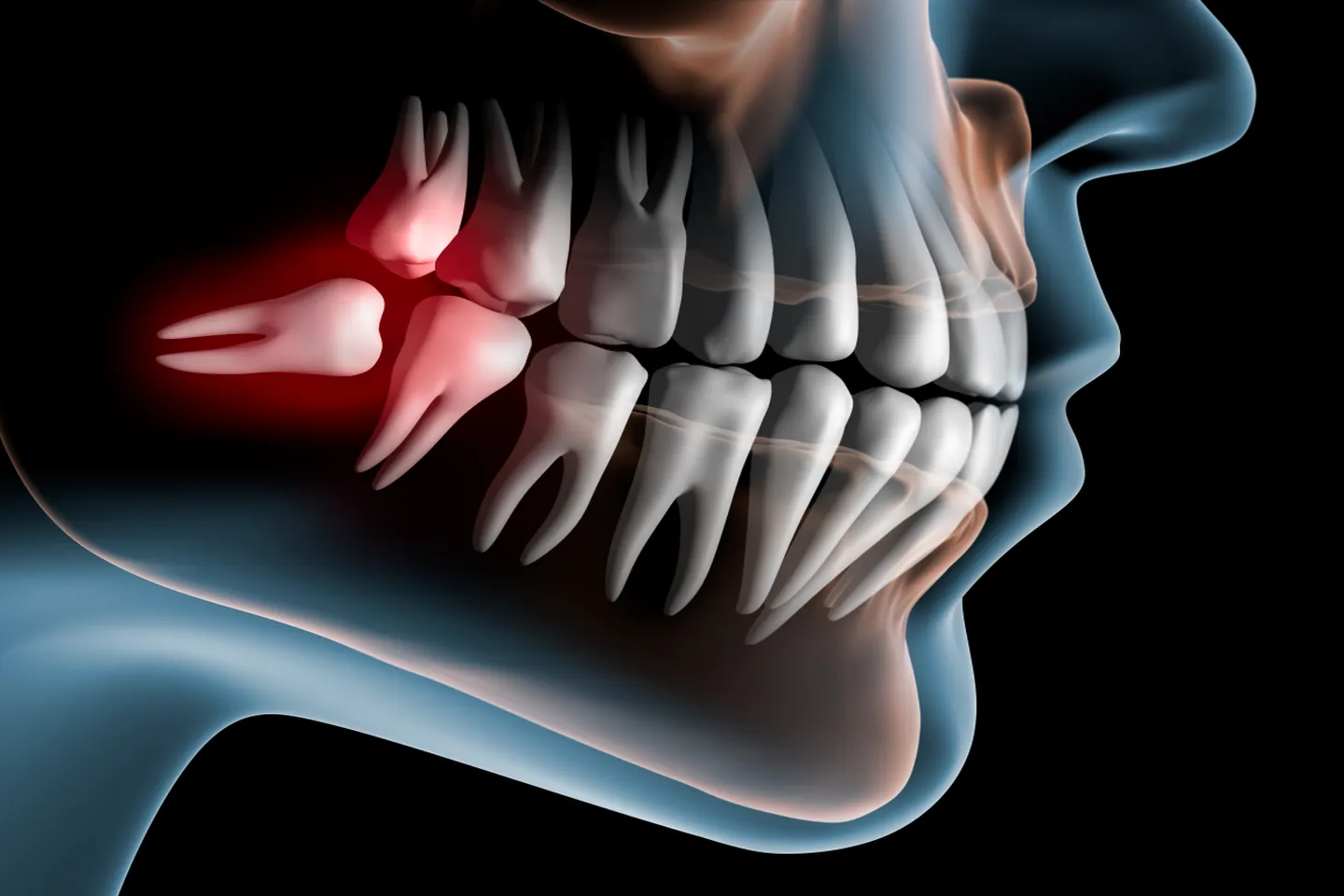
The issue is that the human jaw has gotten smaller over time, and there is often not enough room at the back of the mouth for these extra teeth. When there is not enough space, wisdom teeth can get stuck partway through the gum, come in at an angle, or stay trapped entirely beneath the bone.
A wisdom tooth that cannot fully come through is called impacted. And impacted teeth are where most of the problems start.
Signs Your Wisdom Teeth May Need to Come Out
Not every wisdom tooth needs to be pulled. But if you are experiencing any of the following, it is worth getting them looked at:
Pain or pressure at the back of your mouth. This is the most common sign. It might be constant, or it might come and go. The discomfort can radiate toward your ear or temple.
Swollen or tender gums behind your last molar. When a wisdom tooth is trying to push through but does not have room, the gum tissue around it often becomes inflamed and sore.
Repeated infections around a partially erupted tooth. If a wisdom tooth has only partially broken through the gum, a flap of tissue often covers part of it. Food and bacteria get trapped underneath that flap, leading to an infection called pericoronitis. Symptoms include swelling, pain, a bad taste in your mouth, and sometimes difficulty opening your jaw fully. These infections tend to keep coming back until the tooth is removed.
Food constantly getting trapped. Wisdom teeth that are angled or only partially erupted create pockets where food collects. No matter how well you brush, you cannot keep those areas clean.
Damage to neighboring teeth. A wisdom tooth pushing against the molar next to it can cause decay, bone loss, or root damage to that otherwise healthy tooth. Your dentist can often spot this on an X-ray before you feel anything.
Cyst formation. In rare cases, a fluid-filled cyst can develop around an impacted wisdom tooth, potentially damaging surrounding bone. This is usually found on imaging during a routine dental exam.
If your wisdom teeth are fully erupted, properly aligned, free of decay, and easy to keep clean, your dentist may recommend simply keeping an eye on them with regular check-ups and periodic X-rays.
When Is the Best Time to Remove Them?
There is no single "right age" for wisdom teeth removal. It depends on when or if the teeth start causing problems.
That said, many dentists recommend evaluating wisdom teeth in the late teens or early twenties. At that age, the tooth roots are not fully developed yet, the bone is less dense, and recovery tends to be faster and smoother. Waiting until the roots are fully formed or until complications develop can make the extraction more complex.
But if your wisdom teeth have been sitting quietly for years and imaging shows no issues, there is no reason to remove them just because they are there. The decision should be based on what your dentist actually sees on your digital X-rays and CBCT imaging, not on a blanket rule.
What Happens During the Procedure?
The specifics depend on whether the tooth has erupted or is still trapped beneath the gum and bone.
Simple extraction
If the wisdom tooth is fully erupted and accessible, the dentist numbs the area with local anesthesia, loosens the tooth, and lifts it out. This is usually quick and straightforward.
Surgical extraction
If the tooth is impacted or only partially erupted, the procedure involves a small incision in the gum tissue, possible removal of a small amount of bone covering the tooth, and often sectioning the tooth into pieces for easier removal. The site is then cleaned and closed with stitches.
Sedation options including nitrous oxide, oral sedation, and IV sedation are available for patients who want to be more comfortable during the procedure, especially when multiple teeth are being removed.
For impacted lower wisdom teeth that sit near the nerve that provides sensation to your lower lip and chin, 3D CBCT imaging allows the surgical team to map the exact position of the nerve before the procedure begins. This added precision helps reduce the risk of nerve-related complications.
Recovery: What to Actually Expect
Recovery is the part most people worry about. Here is a realistic picture of what the days and weeks after extraction look like.
The first 24 hours
Bite gently on the gauze your dental team provides to control bleeding and encourage clot formation. Rest this is not the day to run errands or exercise. Apply ice packs to the outside of your cheek (20 minutes on, 20 minutes off) to manage swelling. Take your pain medication as directed, ideally before the anesthesia fully wears off.
Avoid rinsing, spitting, or using a straw. Do not smoke or vape this is one of the most important instructions for preventing complications.
Days two through seven
Eat soft, cool foods yogurt, smoothies, mashed potatoes, scrambled eggs. Avoid anything hot, crunchy, or spicy. Begin gentle warm salt-water rinses after the first 24 hours to keep the area clean. Swelling typically peaks around day two or three and gradually improves from there.
Most patients feel noticeably better within four to seven days, though some soreness and stiffness in the jaw can linger a bit longer, especially after surgical extractions.
Weeks two through four
The extraction sites continue healing beneath the surface. You can gradually return to your normal diet as comfort allows. Attend any follow-up appointments so your dentist can check that healing is on track.
Dry Socket: What It Is and How to Avoid It
Dry socket is the complication most patients ask about. It happens when the blood clot that forms in the extraction socket is lost or breaks down too early, leaving the bone beneath exposed.
The main symptom is pain that gets worse a few days after the extraction instead of getting better often a throbbing pain that can radiate to your ear. You might also notice an unpleasant taste or bad breath.
Dry socket is treatable. Your dentist cleans the area and places a medicated dressing that usually provides relief quickly.
The best way to prevent it: do not smoke, avoid straws, skip vigorous rinsing for the first few days, and follow your aftercare instructions carefully. Smoking is by far the biggest risk factor.
When to Call Your Dentist After Extraction
Some discomfort and swelling are normal. But contact your dental team if pain gets significantly worse after the first few days rather than improving, if bleeding is heavy or persistent, if swelling keeps increasing after day three, if you develop a fever, or if you notice pus or an unusual discharge from the extraction site.
Difficulty breathing, difficulty swallowing, or rapidly spreading facial swelling are signs of a serious issue seek emergency dental care or go to the emergency room.
Do All Four Need to Come Out at Once?
Not necessarily. Some patients have only one or two wisdom teeth causing problems, and your dentist may recommend removing just those. Others benefit from having all four taken out in a single session to avoid multiple recoveries.
If all four need to come out and you are opting for sedation, doing them all at once makes practical sense one procedure, one recovery period, one round of sedation. Your dentist will recommend what makes the most sense based on the position and condition of each tooth.
What If You Wait Too Long?
Putting off wisdom teeth removal when your dentist has recommended it can lead to complications that make the eventual extraction harder. Infections can spread. Decay can develop on the wisdom tooth or the tooth next to it. Cysts can form around impacted teeth. And as you get older, the roots become longer and the bone becomes denser, which can make surgical extraction more involved and recovery slower.
That does not mean every wisdom tooth is a ticking time bomb. But if your dentist is seeing signs of trouble on imaging, acting sooner rather than later usually leads to a simpler procedure and an easier recovery.
Get Your Wisdom Teeth Evaluated
If you have been dealing with jaw pain, swelling at the back of your mouth, or recurring infections near your last molars, it is worth finding out what is going on. A thorough exam with digital imaging can tell you whether your wisdom teeth are the problem and what, if anything, needs to be done.
At Crest Hill Dental Studio, Dr. Rolla N Kattoum, DMD, and Dr. Amit Kalra, D.D.S., handle everything from straightforward extractions to complex surgical removals with CBCT imaging for precise planning and sedation options for patient comfort.
We serve patients in Crest Hill, Lockport, Joliet, Plainfield, Shorewood, Lemont, and surrounding Will County communities.
Call (815) 927-7757 or get in touch to schedule your free evaluation.
Frequently Asked Questions
Q: Is wisdom teeth removal painful?
A: The procedure itself should not be painful because the area is completely numbed with local anesthesia, and sedation is available for additional comfort. After the anesthesia wears off, some soreness and swelling are normal for a few days. Most patients manage recovery well with prescribed pain medication and find it more manageable than they expected.
Q: How long does it take to recover from wisdom teeth removal?
A: Most patients feel significantly better within four to seven days. Simple extractions tend to have a shorter recovery than surgical removal of impacted teeth. Full healing of the bone and soft tissue continues for several weeks beneath the surface, but most people return to their normal routine within a week.
Q: Can I eat normally after wisdom teeth removal?
A: Not right away. Stick to soft, cool foods for the first several days things like yogurt, smoothies, mashed potatoes, and scrambled eggs. Gradually return to your normal diet as comfort allows. Avoid hard, crunchy, sticky, or spicy foods during early healing.
Q: What is the best age to get wisdom teeth removed?
A: There is no single best age. Many dentists recommend evaluating wisdom teeth in the late teens or early twenties, when roots are not fully formed and recovery tends to be smoother. However, removal is recommended at any age when the teeth are causing problems or imaging shows a significant risk of complications.
Q: Do impacted wisdom teeth always need to come out?
A: Not always. Some impacted teeth remain stable and symptom-free for years. Removal is recommended when the tooth causes repeated infections, damages neighboring teeth, develops decay, or is associated with cyst formation on imaging. Your dentist can help you weigh the pros and cons based on your specific situation.
Q: Does insurance cover wisdom teeth removal?
A: Many dental insurance plans cover a portion of wisdom teeth extraction, especially when the removal is considered medically necessary. Coverage details vary by plan. Ask our team about financing through CareCredit, Cherry Financing, or Proceed Finance if you need help managing the cost.

We're Excited to Welcome You to
Crest Hill Dental Studio
We’re Now Open! Visit us for modern, compassionate dental care in a comfortable and welcoming environment. We look forward to welcoming you!

Phone: (815) 927-7757

Office Hours
Monday: 10:00 AM - 5:00 PM
Tuesday: 11:00 AM - 7:00 PM
Wednesday: 10:00 AM - 5:00 PM
Thursday: 11:00 AM- 7:00 PM
Friday: 9:00 AM to 2:00 PM
Saturday: Closed (No Follow-ups)
Sunday: Closed

© 2026 Crest Hill Dental Studio | All Rights Reserved | Privacy Policy | Digital Marketing by Remedo