Dental Implants in Joliet, IL
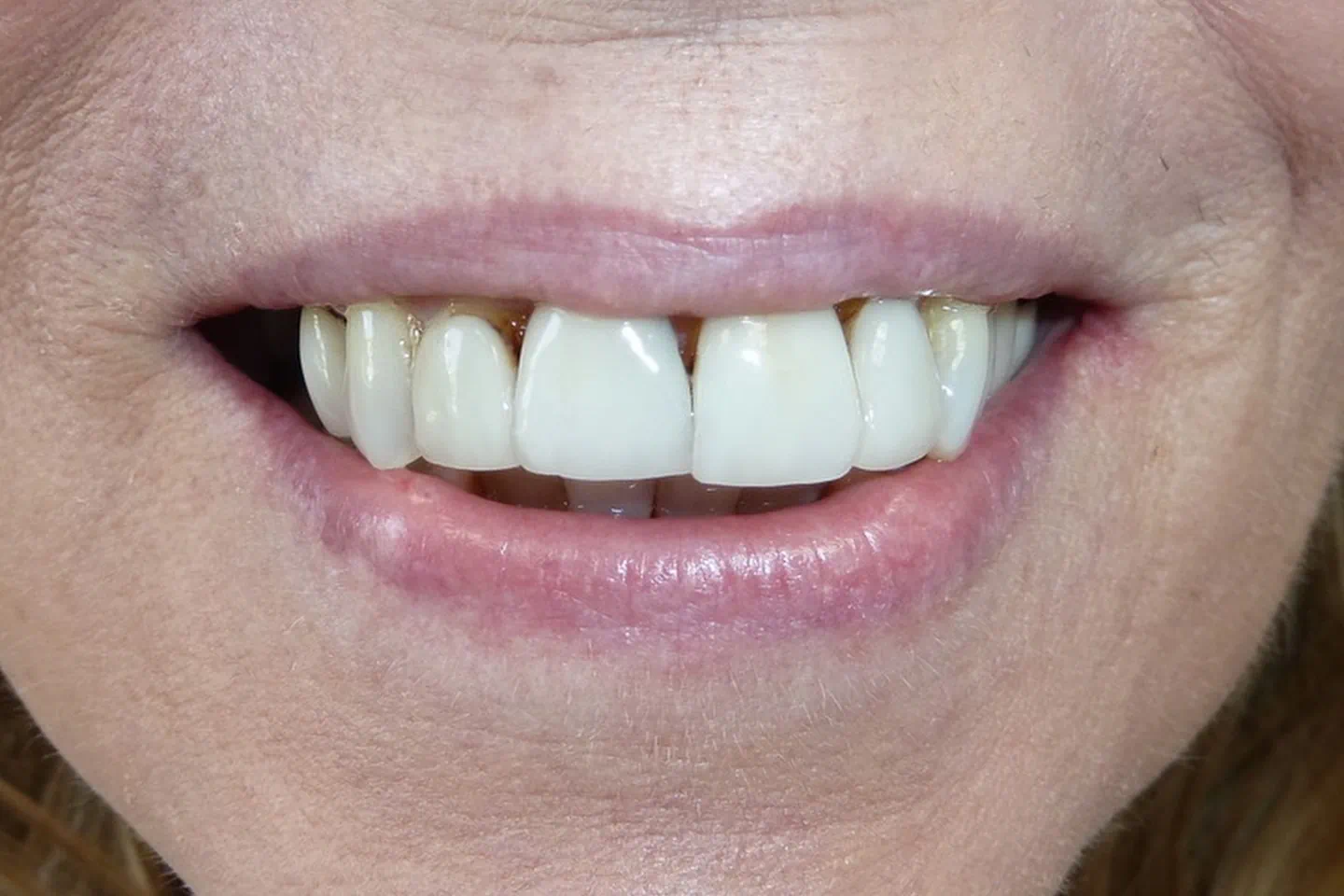
Missing teeth change more than your smile. They affect how you chew, how you speak, and how the bone in your jaw holds up over time. Every month a tooth stays missing, the bone underneath continues to shrink, and the teeth around the gap start to shift. What begins as a single missing tooth can gradually turn into a bigger, more expensive problem.
Dental implants are the closest thing modern dentistry has to a natural tooth replacement. A small titanium post is placed into the jawbone, the bone fuses around it over the following months, and a custom crown is attached on top. The result looks, feels, and functions like a real tooth, and with proper care, it can last for decades.
At Crest Hill Dental Studio, Dr. Rolla N Kattoum, DMD, and Dr. Amit Kalra, D.D.S., place and restore dental implants for patients in Joliet, Crest Hill, Lockport, Plainfield, Shorewood, Lemont, and surrounding Will County communities. If you are missing one tooth, several teeth, or a full arch, call (815) 927-7757 to schedule a free implant consultation.
Why Dental Implants?
Other tooth replacement options like bridges and dentures restore the visible part of the tooth, but they do not replace the root. Without a root in the bone, the jaw continues to lose density over time. That bone loss can change your facial structure, loosen neighboring teeth, and limit your options for future dental work.
Dental implants are the only replacement that acts like a natural tooth root. The titanium post stimulates the bone the same way a tooth root does, which keeps the jaw strong and stable. That is what makes implants a long-term solution rather than a temporary fix.
Beyond preserving bone, implants offer several advantages over other options:
- They do not rely on neighboring teeth for support, so healthy teeth are left untouched.
- They are fixed in place. No adhesives, no slipping, no removal at night.
- They restore full chewing strength, so you can eat the foods you enjoy without restrictions.
- They look and feel natural. A well-made implant crown is virtually indistinguishable from a real tooth.
- They can last for decades with routine care, making them one of the most cost-effective replacements over time.
How Dental Implants Work
The implant process happens in stages, and each stage builds on the one before it. Rushing any step risks the long-term success of the implant, so your dental team plans the timeline carefully based on your specific situation.
Consultation and Treatment Planning
Everything starts with a thorough evaluation. Your dentist examines your mouth, reviews your medical history, and takes detailed imaging using CBCT technology to assess your bone volume, bone density, nerve locations, and sinus proximity.
This imaging is what separates precise implant planning from guesswork. Your dental team can see exactly how much bone is available, where the implant should be placed, and whether any preparatory procedures are needed before surgery.
Implant Placement Surgery
During surgery, the dentist makes a small incision in the gum tissue, creates a channel in the jawbone, and places the titanium implant post. The site is then closed with sutures.
Sedation options are available for patients who feel anxious about the procedure. Depending on the complexity of your case and your comfort level, your dentist may recommend nitrous oxide, oral sedation, or IV sedation.
Osseointegration (Healing)
After placement, the implant needs time to fuse with the surrounding bone. This process, called osseointegration, typically takes several months. During this period, the implant becomes anchored into the jaw with a strength that rivals a natural tooth root.
Your dental team monitors healing with periodic check-ups and imaging to make sure everything is progressing as expected. Trying to load the implant too early can compromise the bond, so patience during this phase is essential.
Abutment and Crown Placement
Once the implant has fully integrated, your dentist attaches an abutment (a small connector piece) and takes impressions for your custom crown. At Crest Hill Dental Studio, the in-house dental lab fabricates restorations on-site, which means closer collaboration between your dentist and the lab technician and often a faster turnaround than outsourcing to an external lab.
The final crown is designed to match the color, shape, and size of your surrounding teeth so it blends in naturally.
Types of Dental Implant Solutions
Not every patient needs the same approach. The right implant solution depends on how many teeth you are missing, the condition of your jawbone, and your overall goals.
Single Tooth Implants
If you are missing one tooth, a single implant and crown is the most straightforward solution. The implant replaces the root, and the crown replaces the visible tooth. Unlike a bridge, a single implant does not require shaving down the teeth on either side of the gap.
Multiple Tooth Implants
If you are missing several teeth in a row, an implant-supported bridge can replace them without needing a separate implant for each tooth. Two or more implants are placed at strategic positions, and a bridge is attached across them. This restores the full section while preserving bone in the area.
Full Arch Replacement
For patients missing all or most of their teeth on one or both arches, full-mouth dental implants provide a fixed, permanent solution. A full arch of teeth is supported by a series of implants placed along the jaw.
All-on-4 dental implants are one approach to full arch replacement. This technique uses four strategically angled implants to support an entire arch of teeth, often without the need for bone grafting. It is designed for patients who want a fixed result and want to avoid the limitations of traditional dentures.
Implant-Supported Dentures
If you currently wear removable dentures and are frustrated with slipping, sore spots, or adhesive, implant-supported dentures offer a more stable alternative. The denture snaps onto implants placed in the jaw, eliminating movement while still allowing removal for cleaning.
Do You Need Bone Grafting Before Implants?
One of the most common questions patients have is whether they have enough bone for implants. The answer depends on how long the teeth have been missing, what caused the tooth loss, and your individual anatomy.
When a tooth is lost, the bone that once supported it begins to resorb. The longer the gap has been there, the more bone is typically lost. If your jawbone is too thin or too shallow to support an implant securely, your dentist may recommend bone grafting to rebuild the area before placing the implant.
For implants in the upper back jaw, a sinus lift may be needed if the sinus floor has dropped into the space where the tooth roots used to be. This procedure lifts the sinus membrane and places graft material underneath to increase bone height.
Not every patient needs grafting. Some patients have plenty of bone, and certain implant techniques like All-on-4 are specifically designed to work with the bone that is already available. Your CBCT scan will show exactly what your jaw looks like and what, if anything, needs to happen before implants can be placed.
What to Expect During Recovery
Recovery after implant surgery is generally more manageable than most patients expect. Here is a realistic picture of the healing timeline.
The first few days: Some swelling, mild discomfort, and minor bleeding are normal. Ice packs, prescribed pain medication, and rest will manage most of it. Stick to soft foods and avoid chewing on the surgical site.
The first two weeks: Swelling gradually subsides. Continue eating soft foods and avoid anything hard, crunchy, or sticky near the implant. Follow your dental team's instructions on oral hygiene around the surgical site. Most patients return to their normal routine within a few days of surgery.
The following months: The implant integrates with the bone beneath the surface. During this phase, you will have periodic follow-up appointments so your dental team can monitor healing. Once integration is confirmed through imaging, you move on to the final restoration.
Dental Implants vs. Bridges vs. Dentures
Each tooth replacement option has its strengths. The right choice depends on your situation, your goals, and your budget.
Dental implants replace the tooth root and the crown. They preserve bone, do not affect neighboring teeth, and can last for decades. They require surgery, a longer treatment timeline, and a higher upfront investment, but they offer the best long-term value and function.
Dental bridges replace one or more missing teeth by anchoring a false tooth to the teeth on either side of the gap. They are faster to place and cost less upfront than implants, but they require shaving down healthy teeth for support, and the bone beneath the missing tooth continues to shrink over time.
Removable dentures replace a full arch or partial section of teeth. They are the most affordable option and do not require surgery, but they can slip, cause sore spots, and accelerate bone loss because they sit on the gum tissue rather than stimulating the bone underneath.
Your dentist can walk you through which option makes the most sense based on your oral health, the number of teeth missing, and what matters most to you.
Who Is a Good Candidate for Dental Implants?
Most healthy adults with one or more missing teeth are candidates for dental implants. Your dentist evaluates several factors during the consultation:
- The amount and quality of bone available in the jaw.
- Your overall health and any conditions that could affect healing.
- Whether you smoke or use tobacco products (smoking significantly increases the risk of implant failure).
- Your oral hygiene habits and willingness to maintain the implant long-term.
- Any medications that could affect bone healing or blood clotting.
Patients who have been told they are not candidates for implants because of bone loss should still get a second opinion. Advances in bone grafting, sinus lifts, and techniques like All-on-4 have made implants possible for many patients who would not have qualified in the past.
Why Choose Crest Hill Dental Studio for Dental Implants Near Joliet?
Crest Hill Dental Studio is built to handle implant cases from start to finish, all under one roof. The practice features 100% digital technology including CBCT imaging for precise surgical planning, an in-house dental lab for custom restorations with faster turnaround, and all three levels of sedation for patient comfort during surgery.
Dr. Kattoum and Dr. Kalra handle everything from single tooth implants to full arch restorations, including any bone grafting or sinus lifts needed along the way. Having the entire process managed by one team means better coordination, fewer referrals, and a smoother experience from consultation to final crown.
Financing through CareCredit, Cherry Financing, and Proceed Finance is available to help make treatment accessible.
We serve patients in Joliet, Crest Hill, Lockport, Plainfield, Shorewood, Lemont, and surrounding communities throughout Will County.
Schedule Your Free Implant Consultation in Joliet, IL
If you are missing teeth and want a permanent solution that looks and functions like the real thing, dental implants may be exactly what you need. A consultation is all it takes to find out whether implants are right for you and what the process will look like.
Call (815) 927-7757 or contact Crest Hill Dental Studio to schedule your free implant consultation.
Frequently Asked Questions About Dental Implants in Joliet, IL
Q: How long do dental implants last?
A: With proper care, dental implants can last for decades. The titanium post itself is designed to be a permanent fixture in the jaw. The crown on top may need to be replaced after many years due to normal wear, but the implant post typically remains stable for life. Good oral hygiene, regular dental check-ups, and avoiding habits like smoking are the biggest factors in long-term success.
Q: Is dental implant surgery painful?
A: The procedure is performed under local anesthesia, so you should not feel pain during surgery. Sedation is also available for patients who want additional comfort. After the anesthesia wears off, some soreness, swelling, and minor discomfort are normal for a few days. Most patients manage recovery well with prescribed pain medication and find the experience more comfortable than they expected.
Q: How long does the dental implant process take from start to finish?
A: The total timeline varies depending on your situation. A straightforward single implant case typically takes several months from placement to final crown, with most of that time dedicated to osseointegration (the bone fusing with the implant). Cases that require bone grafting or sinus lifts take longer because the graft needs to heal before the implant can be placed. Your dental team will give you a specific timeline during your consultation.
Q: Can I get dental implants if I have bone loss?
A: In many cases, yes. Bone grafting can rebuild areas of the jaw where bone has been lost, making implant placement possible. Techniques like All-on-4 are also designed to work with available bone by angling the implants strategically. A CBCT scan during your consultation will show exactly what your bone looks like and what options are available.
Q: Are dental implants covered by insurance?
A: Coverage varies by plan. Some dental insurance plans cover a portion of implant treatment, particularly when the procedure is considered medically necessary rather than purely cosmetic. Coverage for the implant post, the abutment, and the crown may be handled separately. Contact your insurance provider for details, and ask about financing through CareCredit, Cherry Financing, or Proceed Finance to manage the cost.
Q: What happens if I do not replace a missing tooth?
A: When a tooth is not replaced, the bone in that area begins to shrink because it is no longer stimulated by a tooth root. The teeth next to the gap can shift out of position, your bite can change, and the opposing tooth may start to over-erupt. Over time, this can lead to further tooth loss, jaw joint problems, and more complex treatment down the road. Replacing a missing tooth sooner rather than later helps prevent these complications.

We're Excited to Welcome You to
Crest Hill Dental Studio
We’re Now Open! Visit us for modern, compassionate dental care in a comfortable and welcoming environment. We look forward to welcoming you!

Phone: (815) 927-7757

Office Hours
Monday: 10:00 AM - 5:00 PM
Tuesday: 11:00 AM - 7:00 PM
Wednesday: 10:00 AM - 5:00 PM
Thursday: 11:00 AM- 7:00 PM
Friday: 9:00 AM to 2:00 PM
Saturday: Closed (No Follow-ups)
Sunday: Closed

© 2026 Crest Hill Dental Studio | All Rights Reserved | Privacy Policy | Digital Marketing by Remedo