Oral Conscious Sedation in Joliet, IL
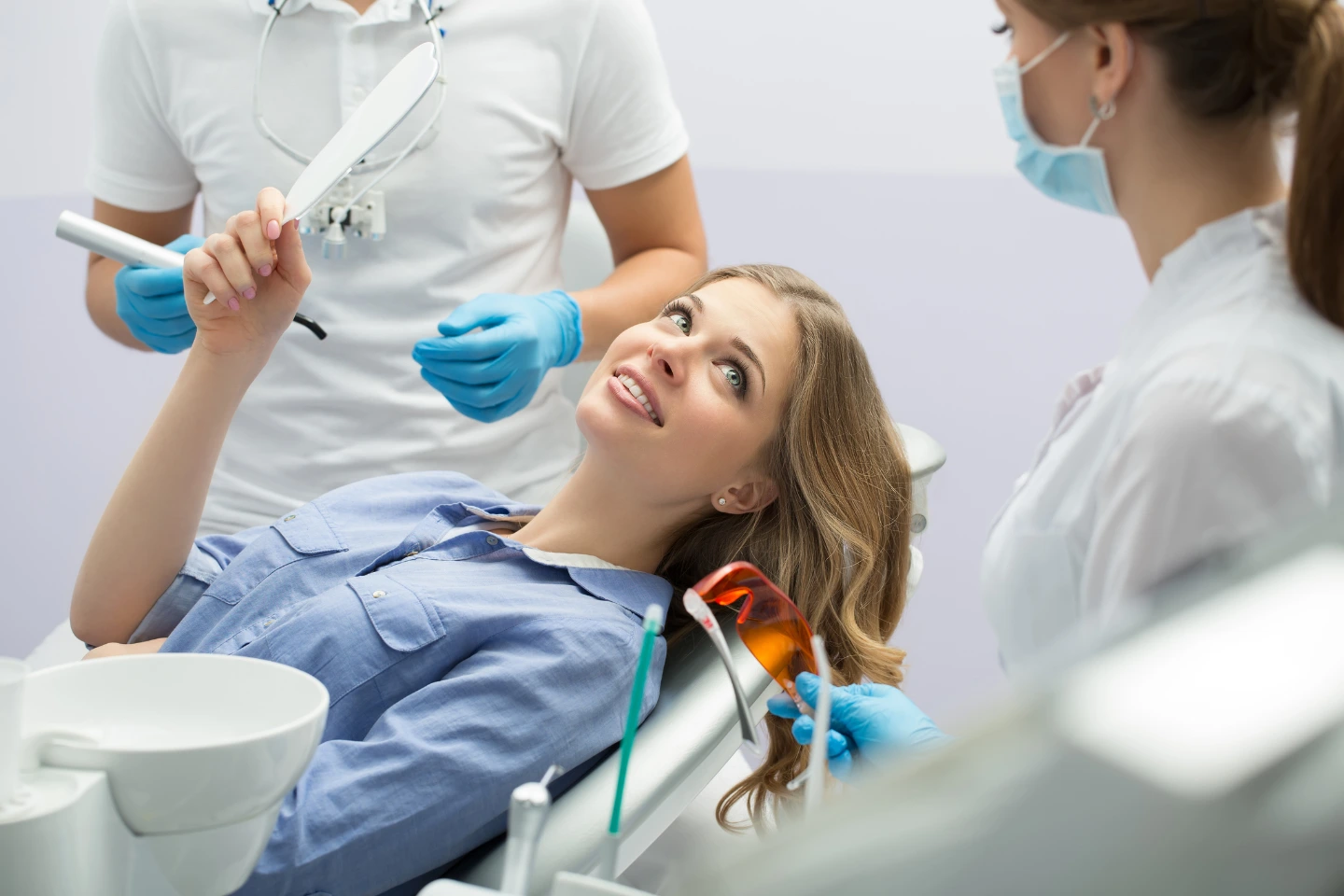
Dental anxiety keeps more adults out of the dentist's chair than most people realize. If the sound of a drill, the thought of an injection, or just sitting through a longer procedure makes you tense up, you are not alone, and you do not have to push through it on willpower alone.
Oral conscious sedation gives anxious patients a simple, effective way to relax during dental treatment. You take a prescribed pill before your appointment, and by the time you sit down in the chair, you feel calm, drowsy, and far less aware of what is happening around you. You stay conscious and can respond to your dentist, but most patients remember little to nothing afterward.
At Crest Hill Dental Studio, Dr. Rolla N Kattoum, DMD, and Dr. Amit Kalra, D.D.S., offer oral conscious sedation for patients in Joliet, Crest Hill, Lockport, Plainfield, Shorewood, Lemont, and surrounding Will County communities. If anxiety has been keeping you from getting the dental care you need, call (815) 927-7757 to schedule a consultation.
What Is Oral Conscious Sedation?
Oral conscious sedation uses prescription medication, typically a benzodiazepine, taken by mouth before your dental appointment. The medication reduces anxiety and creates a deep sense of relaxation without putting you fully to sleep.
The word "conscious" means you remain awake enough to respond to instructions, breathe on your own, and communicate with your dental team. That said, the level of drowsiness varies from person to person. Some patients stay conversational. Others get very sleepy and drift in and out. Many have little to no memory of the procedure when it is over, which is one of the biggest benefits for people with strong dental fear.
Oral sedation is a good fit if you:
- Experience dental anxiety or fear that makes you cancel or postpone appointments.
- Feel nervous about injections, drills, or other dental instruments.
- Have a strong gag reflex that interferes with treatment.
- Need a lengthy procedure or multiple treatments done in one sitting.
- Have difficulty sitting still or staying comfortable in the dental chair.
Your dentist will review your medical history, current medications, and allergies before prescribing oral sedation to make sure it is appropriate for you.
How Oral Conscious Sedation Works
The process is straightforward. Your dental team handles the planning, and you just follow the instructions.
Before Your Appointment
At your initial exam, your dentist reviews your health history, anxiety level, medications, and the procedure you need. Based on that evaluation, they prescribe the right medication and dosage.
You will receive specific instructions about when to take the pill, what to eat or drink beforehand, and which of your regular medications to continue or pause. You will need a responsible adult to drive you to and from the appointment.
During the Procedure
By the time the medication takes full effect, usually 30 to 60 minutes after you take it, you will feel deeply relaxed. Your dental team monitors you throughout the procedure to make sure you are comfortable and responsive.
Oral sedation manages your anxiety, but it does not numb your teeth. Your dentist still uses local anesthesia to block pain in the treatment area. The two work together: sedation keeps you calm while the local anesthetic keeps you pain-free.
After the Procedure
The effects of oral sedation last well beyond the appointment, typically several hours. You will feel groggy and may have reduced coordination, so do not drive, operate machinery, or make important decisions for the rest of the day.
Follow your dental team's written aftercare instructions. Rest at home, stay hydrated, and have your escort nearby in case you need help. Most patients feel back to normal by the next morning.
What Dental Procedures Use Oral Sedation?
Oral conscious sedation works for a wide range of treatments. Your dentist recommends it based on the procedure, your anxiety level, and your overall health.
Fillings and Restorative Work
If anxiety makes it hard to sit through even a simple filling or crown preparation, oral sedation can help you get through the appointment comfortably and avoid letting small problems turn into bigger ones.
Root Canal Therapy
Root canal treatment has a reputation that is worse than the reality, but that does not make it any easier if you are anxious. Oral sedation takes the edge off and helps you stay relaxed through the procedure.
Tooth Extractions
Whether it is a single damaged tooth or a surgical extraction, oral sedation helps patients who feel nervous about having a tooth pulled. For more complex cases like impacted wisdom teeth, your dentist may recommend IV sedation instead.
Dental Implant Surgery
Some patients getting dental implants do well with oral sedation, especially for single-implant placements. For longer implant procedures or full-arch cases, IV sedation is often the better choice. Your dental team will recommend the right level based on your treatment plan.
Longer Appointments
If you need multiple procedures done in one visit, say several fillings or a combination of treatments, oral sedation makes it easier to sit comfortably for the extended chair time.
Oral Conscious Sedation vs. Nitrous Oxide
Both options help manage dental anxiety, but they work differently and suit different situations.
Oral sedation involves a prescription pill taken before your appointment. It produces deeper relaxation, often with partial or no memory of the procedure. The effects last several hours, and you need a driver. It is a strong choice for moderate to severe anxiety or longer procedures.
Nitrous oxide (laughing gas) is inhaled through a small nasal mask during the procedure. It provides mild relaxation, wears off within minutes after the mask is removed, and most patients can drive themselves home. It works well for mild anxiety and shorter appointments like cleanings or routine exams.
If nitrous oxide alone does not calm your nerves enough, oral sedation is the next step up, and it does not require an IV, which makes it a popular middle ground for patients who want meaningful anxiety relief without a needle in their arm.
Your dentist can help you decide which option fits your anxiety level, the procedure you need, and your medical history. Learn more about all sedation options at Crest Hill Dental Studio.
Who Is a Good Candidate?
Most healthy adults with dental anxiety are good candidates for oral conscious sedation. Your dentist evaluates several factors before prescribing:
- How severe your anxiety is and how it affects your ability to receive care.
- The type and expected length of the procedure.
- Your medical history and current health conditions.
- All medications, supplements, and over-the-counter products you take.
- Any allergies or previous reactions to sedatives or anesthesia.
- Whether you can follow the preparation and recovery instructions.
Certain medical conditions, particularly respiratory problems, sleep apnea, and certain medication interactions, can affect whether oral sedation is safe for you. If oral sedation is not the right fit, your dentist will recommend an alternative approach.
Is Oral Conscious Sedation Safe?
Yes. When prescribed correctly and administered with proper monitoring, oral conscious sedation has a strong safety record. Your dental team monitors you throughout the procedure and follows established protocols.
That said, no form of sedation is completely risk-free. Possible side effects include drowsiness and dizziness that last several hours, nausea, temporary memory gaps, reduced coordination, and in rare cases, unexpectedly strong sedation or slowed breathing.
The most important thing you can do for your safety is give your dental team a complete and accurate picture of your health. That means disclosing every medication you take, including sleep aids, pain medications, and supplements, along with any breathing problems, heart conditions, or history of reactions to sedation.
How to Prepare
Preparation is simple. Follow the instructions your dental team provides, and the rest takes care of itself:
- Take the prescribed medication exactly when and how your dentist directs. Do not adjust the dose.
- Follow any fasting instructions about food and drink.
- Arrange for a responsible adult to drive you to and from the appointment.
- Clear your schedule for the rest of the day and plan to rest at home.
- Bring an accurate list of your current medications and allergies.
If you are a new patient at Crest Hill Dental Studio, complete your paperwork ahead of time so your dental team can review your health history before your visit.
Managing Dental Anxiety Without Sedation
Sedation is not the only tool available. Some patients find that simple adjustments make dental visits manageable without medication:
- Tell your dentist what specifically makes you anxious before treatment starts.
- Agree on a hand signal to pause the procedure if you need a break.
- Ask your dentist to explain each step before they do it.
- Schedule appointments at a time when you feel less rushed.
- Practice slow, controlled breathing before and during the visit.
For some patients, these strategies are enough. For others, medication-assisted relaxation is what finally gets them back in the chair. There is no wrong answer. The goal is finding what works for you.
Why Choose Crest Hill Dental Studio for Sedation Dentistry Near Joliet?
Crest Hill Dental Studio is built for patients who want comfortable, modern dental care. The practice features 100% digital technology including CBCT imaging for precise treatment planning, an in-house dental lab for faster turnaround on restorations, and all three levels of sedation (nitrous oxide, oral conscious sedation, and IV sedation) so your comfort level is matched to the right option.
Dr. Kattoum and Dr. Kalra work with patients who have put off dental care for years because of anxiety. Whether you need a single filling or a full treatment plan, sedation makes it possible to get the care your teeth need without the stress.
Financing through CareCredit, Cherry Financing, and Proceed Finance is available to help make treatment accessible.
We serve patients in Joliet, Crest Hill, Lockport, Plainfield, Shorewood, Lemont, and surrounding communities throughout Will County.
Schedule Your Sedation Consultation in Joliet, IL
If dental anxiety has been keeping you from the dentist, oral conscious sedation can change that. A simple consultation is all it takes to find out if sedation is right for you and start building a treatment plan around your comfort.
Call (815) 927-7757 or contact Crest Hill Dental Studio to schedule your free consultation.
Frequently Asked Questions About Oral Conscious Sedation in Joliet, IL
Q: What is oral conscious sedation in dentistry?
A: Oral conscious sedation involves taking a prescribed pill before your dental appointment to reduce anxiety and help you relax. You remain conscious and can respond to your dentist, but you feel deeply calm and drowsy. Many patients remember little to nothing about the procedure afterward. The specific medication and dosage are tailored to your needs.
Q: Will I be asleep during oral conscious sedation?
A: Not fully. You stay conscious enough to breathe on your own and respond to instructions. However, the level of drowsiness varies. Some patients remain conversational while others feel very sleepy and drift in and out. The goal is deep relaxation, not general anesthesia.
Q: Can I drive home after oral conscious sedation?
A: No. The medication affects your alertness, coordination, and judgment for several hours after your appointment. You need a responsible adult to drive you home, and you should not drive, operate machinery, or make important decisions until the following day.
Q: Is oral conscious sedation safe?
A: When prescribed and monitored by a trained dental team, oral conscious sedation has a strong safety record. Your dentist reviews your full medical history, medications, and allergies before prescribing. Certain conditions, especially respiratory problems and certain medication interactions, can affect whether oral sedation is appropriate, which is why the pre-treatment evaluation is essential.
Q: What is the difference between oral sedation and nitrous oxide?
A: Oral sedation uses a prescription pill and produces deeper, longer-lasting relaxation with possible memory gaps. Nitrous oxide is inhaled through a nasal mask, provides milder relaxation, and wears off within minutes. Nitrous lets most patients drive themselves home, while oral sedation requires a driver and rest for the remainder of the day.
Q: Does insurance cover oral conscious sedation?
A: Coverage varies by plan. Sedation tied to medically necessary procedures may be partially covered, while sedation for anxiety management alone is often considered elective. Contact your insurance provider for details, and ask about financing through CareCredit, Cherry Financing, or Proceed Finance to manage the cost.

We're Excited to Welcome You to
Crest Hill Dental Studio
We’re Now Open! Visit us for modern, compassionate dental care in a comfortable and welcoming environment. We look forward to welcoming you!

Phone: (815) 927-7757

Office Hours
Monday: 10:00 AM - 5:00 PM
Tuesday: 11:00 AM - 7:00 PM
Wednesday: 10:00 AM - 5:00 PM
Thursday: 11:00 AM- 7:00 PM
Friday: 9:00 AM to 2:00 PM
Saturday: Closed (No Follow-ups)
Sunday: Closed

© 2026 Crest Hill Dental Studio | All Rights Reserved | Privacy Policy | Digital Marketing by Remedo